









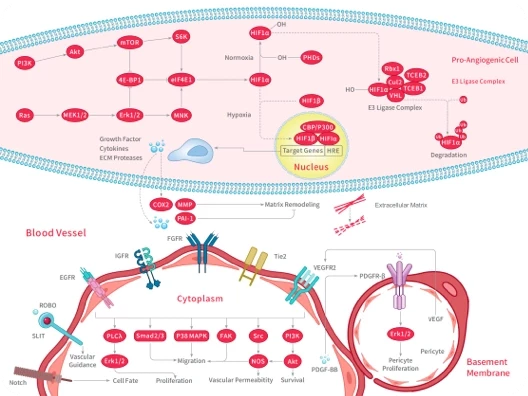


Raddeanin A is a natural triterpenoid saponin from Cyperus japonicus that inhibits histone deacetylase and is also a potent immunogenic cell death inducer with strong anti-angiogenic and anti-tumor activities.
1. Berberrubine chloride (9-Berberoline Chloride) has antitumor activity. 2. Berberrubine has antidiabetic activity. 3. Berberrubine dose-dependently inhibits IL-8 and MCP-1 protein levels in the media and mRNA expression of the cells stimulated with IL-1beta or TNF-alpha.
Groenlandicine is a protoberberine alkaloid from Coptidis Rhizoma. Groenlandicine exhibits moderate inhibitory effect with IC50 value of 154.2 μM for human recombinant aldose reductase (HRAR). Groenlandicine selectively induces topoisomerase I-mediated DN
1. Berberine (Umbellatine) is a potent oral hypoglycemic agent with beneficial effects on lipid metabolism. 2. Berberine may as a broad-spectrum anti-microbial medicine, a complementary therapeutic agent for HIV/AIDS. 3. Berberine seems to act as an herbal antidepressant and a neuroprotector against neurodegenerative disorders. 4. Berberine is used in histology for staining heparin in mast cells. As a natural dye, berberine has a colour index of 7516. 5. Berberine reduces hepatic fat content in rats with nonalcoholic fatty liver disease; also prevents proliferation of hepatic stellate cells (HSCs), which are central for the development of fibrosis during liver injury. 6. Berberine can ameliorate proinflammatory cytokines-induced intestinal epithelial tight junction damage in vitro, and berberine may be one of the targeted therapeutic agents that can restore barrier function in intestinal disease states. 7. Berberine has antineoplastic effects, including breast cancer, leukemia, melanoma, epidermoid carcinoma, hepatoma, pancreatic cancer, oral carcinoma, tongue carcinoma, glioblastoma, prostate carcinoma and gastric carcinoma, etc.
Hederacolchiside A1 (Raddeanoside R13) shows anti-leishmanial activity, it exhibits a strong antiproliferative activity on all stages of development of the parasite by altering membrane integrity and potential. Hederacolchiside A1 shows antiproliferation activities in three cancer cell lines with the IC50 value of 2.4 uM, it exhibits a preferential cytotoxicity on a pigmented melanoma cell line. It suppresses proliferation of tumor cells by inducing apoptosis through modulating PI3K/Akt/mTOR signaling pathway.
Columbamine (Columbamin) shows strong activity with IC5 48.1 μM.Columbamine exerts anti-proliferative and anti-vasculogenic effects on metastatic human osteosarcoma U2OS cells with low toxicity.
Karacolinem is a natural product, reduces degradation of the extracellular matrix (ECM) in intervertebral disc degeneration (IDD) via the NF-κB signaling pathway.
23-epi-26-Deoxyactein (27-Deoxyactein) has anti-inflammatory activity, it inhibits nitric oxide production by reducing iNOS expression without affecting activity of the enzyme. It also has anti-cancer activity, it can inhibit growth of the MCF7 human breast cancer cells and induce cell cycle arrest at G1.
Berberine chloride (Natural Yellow 18) is an alkaloid from Hydrastis canadensis L., Berberidaceae and also found in many other plants. It is relatively toxic to parenterally but has been used orally for various fungal and parasitic infections and an anti-diarrheal.
Actein has a stimulatory effect on osteoblastic bone formation or has potential activity against osteoporosis, it also can prevent oxidative damage to osteoblasts in osteoporotic patients. Actein's ability to pathways involved in lipid disorders and carci
Demethyleneberberine, which is composed of a potential antioxidant structure, could penetrate the membrane of mitochondria and accumulate in mitochondria either in vitro or in vivo.Demethyleneberberine suppresses CYP2E1, hypoxia inducible factor α, and inducible nitric oxide synthase, which contributes to oxidative stress and restored sirtuin 1/AMP-activated protein kinase/peroxisome proliferator-activated receptor-γ coactivator-1α pathway-associated fatty acid oxidation in chronic ethanol-fed mice.
1. Palmatine (Burasaine) is an inhibitor of dopamine generation. 2. Palmatine could potentially be developed for the treatment of flavivirus infections. 3. Palmatine has been used in the treatment of jaundice, dysentery, hypertension, inflammation, and liver-related diseases.
Berbamine dihydrochloride (Berbamine), a natural compound derived from the Berberis amurensis plant, has been shown to exhibit antitumor activity in several Ys.
Picroside II (Vanilloyl catalpol) is the main active ingredient in iridoid glycosides. It has antioxidant, anti-inflammatory, immune regulatory, anti-virus and other pharmacological activities.
Higenamine hydrochloride (norcoclaurine HCl) has been demonstrated to be a β2 adrenoreceptor agonist. Adrenergic receptors, or adrenoceptors, belong to the class of G protein–coupled receptors, and are the most prominent receptors in the adipose membrane, besides also being expressed in skeletal muscle tissue.
Benzoylmesaconine (Mesaconine 14-benzoate) is the most abundant component of Wutou decoction, which is widely used in China because of its therapeutic effect on rheumatoid arthritis. Benzoylmesconine has analgesic activity. Benzoylmesconine may improve the resistance of T6S-mice (or thermally injured mice) to the infection of HSV-1, through the induction of antagonistic CD4+ T cells against burn-associated type-2 T cells.
Hecogenin (Hocogenin), a steroid saponin derived from Agave sisalana, serves as a specific inhibitor for human UDP-glucuronosyltransferases. Notably, it exhibits a broad range of pharmacological activities, such as anti-inflammatory, antifungal, and gastroprotective effects[1].
Worenine (Worenin) is used in the a flurophore switched probe which aids in correction of an abasic site (AP site) caused by the removal of a damaged base in DNA.
Cimigenoside, a constituent of Asclepias, is a γ-secretase inhibitor that inhibits the proliferation or metastasis of human breast cancer cells via the γ-secretase/Notch axis.



