Shopping Cart
Remove All Your shopping cart is currently empty

We would love to know what you think, so we have included a feedback tab on every page.


















Multiple Drug Screening Models:
Offering diverse screening approaches, including cAMP, IP-1, FLIPR, and more.


G Protein-Coupled Receptors (GPCRs) and G proteins (Guanine nucleotide-binding proteins) consist of three subunits: α, β, and γ, forming a heterotrimer. When an extracellular ligand binds to a GPCR, the G protein is activated, causing the Gα subunit to dissociate from the trimer and enter the cytoplasm, where it activates downstream effectors such as adenylyl cyclase (AC) or phospholipase C (PLC), thereby triggering biological effects. In addition, the β and γ subunits can also activate other pathways through proteins like phospholipase A2, producing biological effects. Typically, the term “G protein” refers to the α subunit.
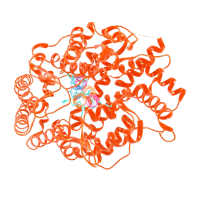
The GPCR superfamily comprises 600–1,000 proteins and represents the largest class of molecular targets with therapeutic potential known to date. In current drug discovery, 40% of screening efforts are directed toward GPCRs, and more than 50% of marketed drugs exert their effects through GPCRs. GPCRs have thus become the primary target class in drug screening.
| Gene | Detection Indicators | Methods |
|---|---|---|
| ADORA2A | cAMP | HTRF |
| ADRB1 | cAMP | HTRF |
| ADRB2 | cAMP | HTRF |
| DRD1 | cAMP | HTRF |
| DRD2 | cAMP | HTRF |
| ADORA1 | cAMP | HTRF |
| DOR | cAMP | HTRF |
| KOR | cAMP | HTRF |
| µOR | cAMP | HTRF |
| h GIP | cAMP | HTRF |
| h GIP | cAMP | HTRF |
| M3 | IP-One | HTRF |
| TGR5 | cAMP | HTRF |
| GLP1 | cAMP | HTRF |
| GC-C | cAMP | HTRF |
| NPR1 | cAMP | HTRF |
| CT-R | cAMP | HTRF |
 Feedback
 Hello! How can I help you today?
Copyright © 2015-2026 TargetMol Chemicals Inc. All Rights Reserved.