

















1. Tiliroside (Tribuloside) shows anticarcinogenic activity. 2. Tiliroside shows hepatoprotective activity. 3. Tiliroside shows antioxidant and anti-inflammatory activity, can inhibit neuroinflammation in neurodegenerative disorders. 4. Tiliroside has anti-diabetic effect, are at least partially mediated through inhibitory effects on carbohydrate digestion and glucose uptake in the gastrointestinal tract. 5. Tiliroside and gnaphaliin are antioxidants against in vitro Cu(2+)-induced LDL oxidation in the same order of magnitude compared to that of the reference drug, probucol. 6. Tiliroside enhances fatty acid oxidation via the enhancement adiponectin signaling associated with the activation of both AMP-activated protein kinase and peroxisome proliferator-activated receptor α and ameliorates obesity-induced metabolic disorders.
Eupalinolide A has the effects of relieving phlegm and relieving cough, clearing away heat and detoxification, diuretic swelling and reducing blood pressure.
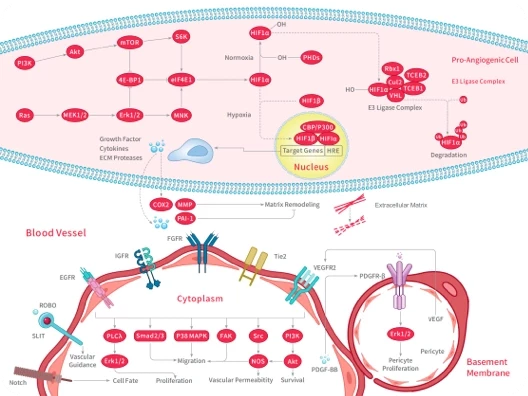
Eupatorin has antiproliferative and antiangiogenic effects. Eupatorin has antiproliferative and cytostatic effects on MDA-MB-468 human breast cancer cells due to CYP1-mediated metabolism. Eupatorin-induced cell death is mediated by both the extrinsic and
Agrimonolide, a compound derived from isocoumarins and found mainly in the herb Agrimonia pilosa Ledeb, has significant biological activity. agrimonolide exerts anti-inflammatory effects by inhibiting lipopolysaccharide (LPS)-induced activation of JAK-STATs and p38 MAPKs signaling pathways. Agrimonolide and its derivative, desmethyl agonolide, have been shown to be effective in increasing insulin-mediated glycogen levels in hepatocytes and may play a key role in regulating insulin-resistant HepG2 cells. agrimonolide exhibits inhibitory effects on cancer progression and induction of cell death and apoptosis by targeting SCD1 in ovarian cancer cells. In particular, Agrimonolide exhibited a dose-dependent inhibition of proliferation, migration and invasion of A2780 and SKOV-3 cells, while promoting apoptosis. The compound was also found to induce iron-mediated cell death while increasing reactive oxygen species (ROS) and total iron levels.Agrimonolide readily crosses the blood-brain barrier, suggesting its potential for therapeutic applications in neurological disorders.
8beta-(4-Hydroxytigloyloxy)ovatifolin is a natural product for research related to life sciences. The catalog number is TN3303 and the CAS number is 554449-27-3.
12-Hydroxy-2,3-dihydroeuparin is a natural product of Eupatorium, Asteraceae. The catalog number is TN2596 and the CAS number is 68776-42-1. 12-Hydroxy-2,3-dihydroeuparin can be used as a reference standard.
Echinatin exerts a protective effect against ischemia/reperfusion (I/R)-induced myocardial injury on hearts, this effect may be attributed to the antioxidant and anti-inflammatory activities of this compound. Echinatin can inhibit DNP-ATPase activity whil
Eupatoriopicrin shows anti-trypanosomal activity and cytotoxicity against Trypanosoma brucei rhodesiense. Eupatoriopicrin-induced DNA damage may play a role in the observed cytotoxicity, it shows a weak sensitizing capacity in guinea pigs.
20-Dehydroeupatoriopicrin semiacetal is a natural product for research related to life sciences. The catalog number is TN5362 and the CAS number is 94234-24-9.
Eupalinilide D, a natural product from *Impatiens balsamina L.*, exhibits significant biological activity and shows potential for pharmaceutical applications.
trans-2,3-Dihydro-3-hydroxyeuparin is a natural product for research related to life sciences. The catalog number is TN5161 and the CAS number is 64185-57-5.