Shopping Cart
Remove All Your shopping cart is currently empty
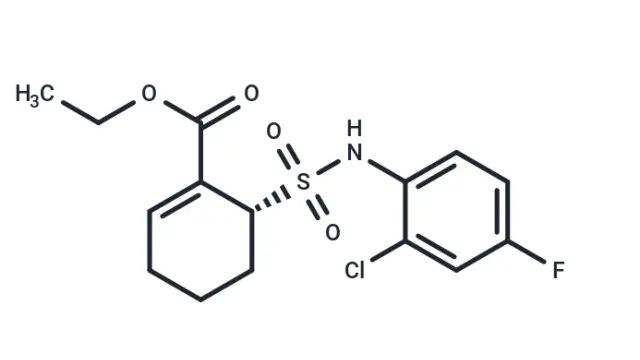
TargetMol Star Molecule—Resatorvid (TQ0181, CAS 243984-11-4), a tool compound for research on sepsis, neuroinflammation, and aseptic inflammation
Resatorvid, catalog number TQ0181, CAS number 243984-11-4, also known as CLI-095 and TAK-242.
Resatorvid (TAK-242) is a selective inhibitor of Toll-like receptor 4 (TLR4). Resatorvid binds directly to Cys747 in the intracellular TIR domain of TLR4, preventing TLR4 from binding to TIRAP and thereby blocking downstream signal transduction. Resatorvid exhibits antitumor activity, anti-inflammatory activity, and neuroprotective effects.
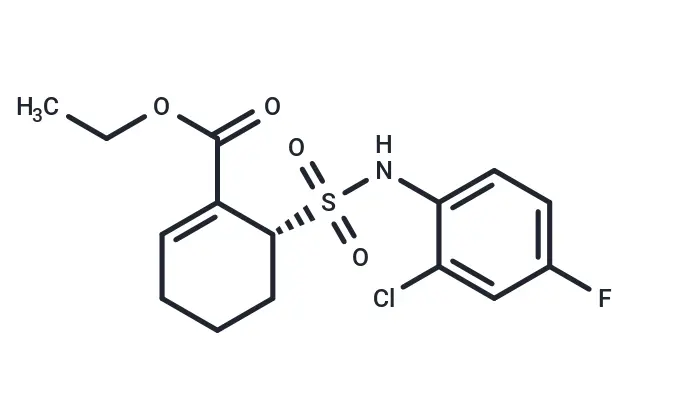
1. Background
Toll-like receptors (TLRs) are a highly conserved class of pattern recognition receptors that are widely expressed in various immune and tissue cells, including macrophages and epithelial cells. They specifically recognize pathogen-associated molecular patterns (such as LPS) and damage-associated molecular patterns, thereby initiating innate immune responses and regulating inflammatory reactions; Among these, TLR4 is the primary receptor for recognizing lipopolysaccharide (LPS) from Gram-negative bacteria. Upon activation, it activates downstream signaling molecules such as MyD88 and TRIF to activate signaling pathways such as NF-κB and MAPK, promoting the massive release of pro-inflammatory cytokines including TNF-α, IL-1β, and IL-6. This drives M1 polarization of macrophages, inflammatory cell infiltration, and tissue damage, playing a key initiating role in inflammatory diseases such as sepsis and acute lung injury.
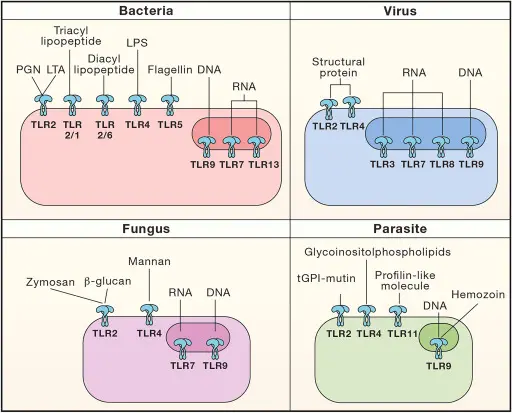
Toll-like receptors (TLRs) [1]
Resatorvid (TAK-242) is a highly selective, small-molecule TLR4-specific inhibitor that directly binds to the intracellular domain of TLR4, blocking its interaction with downstream adaptor proteins such as TIRAP and TRAM, while simultaneously inhibiting both the MyD88 and TRIF signaling pathways. This significantly reduces the production and release of LPS-induced pro-inflammatory cytokines, alleviating excessive inflammatory responses, abnormal macrophage activation, and tissue damage. It has demonstrated clear anti-inflammatory and organ-protective effects in models of inflammation-related diseases such as sepsis and acute lung injury, making it an important tool for studying the function of the TLR4 pathway and intervening in inflammation-related diseases.
2. Selected Literature
2.1 Article Title:
Resatorvid alleviates experimental inflammatory TMJOA by restraining chondrocyte pyroptosis and synovial inflammation.
Study Overview: This study used a mouse model of CFA-induced temporomandibular joint osteoarthritis (TMJOA) to investigate the mechanism of action of the TLR4 inhibitor Resatorvid. The results confirmed that Resatorvid exerts a joint-protective effect by inhibiting ROS production and alleviating synovial inflammation, chondrocyte pyroptosis, and cartilage degeneration through the TLR4/MyD88/NF-κB/NLRP3 pathway. [2]
In this study, a TMJOA model was established in C57BL/6J mice, which were then divided into treatment groups. Tissue staining and molecular assays revealed that CFA induces synovial inflammation, cartilage degeneration, and high TLR4 expression, while Resatorvid significantly alleviates synovial inflammation and mitigates cartilage degeneration and pyroptosis. Mechanistically, it exerts its effects by inhibiting the TLR4/MyD88/NF-κB/NLRP3 pathway and reducing ROS production; cellular experiments further validated this effect. These findings indicate that Resatorvid can effectively alleviate the pathological progression of TMJOA.
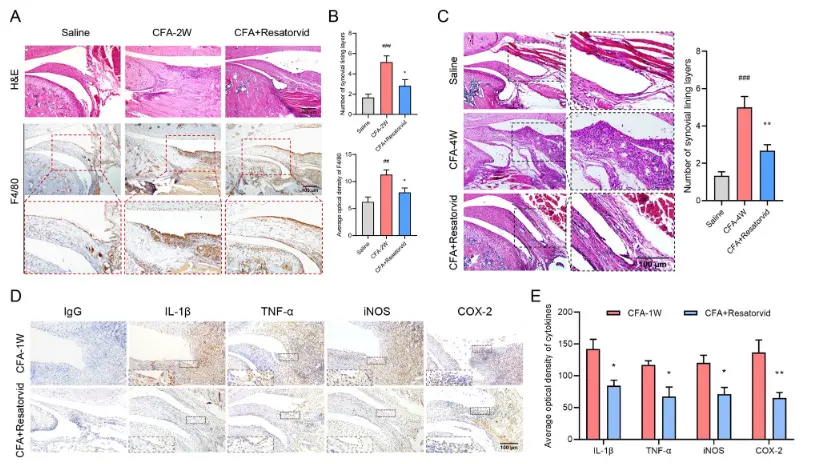
Resatorvid significantly reduces synovial thickening and macrophage infiltration
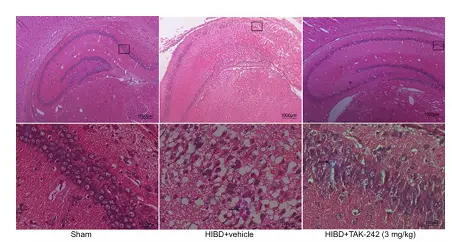
2.2 Article Title:Resatorvid protects against hypoxic-ischemic brain damage in neonatal rats.

Study Overview: This study established a model of hypoxic-ischemic brain injury (HIBD) in newborn rats and demonstrated that the TLR4 inhibitor Resatorvid (TAK-242) exerts neuroprotective effects by inhibiting the TLR4/NF-κB pathway, thereby reducing excessive neuronal autophagy and neuroinflammation, decreasing cerebral infarct volume, alleviating cerebral edema, and improving neurobehavioral outcomes. [3]
This study used 7-day-old SD rats to establish an HIBD model via the Rice-Vannucci method, dividing them into a sham-surgery group, an HIBD+solvent group, and an HIBD+Resatorvid (0.75/1.5/3 mg/kg) group. Results showed that following HIBD, levels of TLR4, p-NF-κB, Beclin-1, LC3, TNF-α, and IL-1β in the hippocampus were significantly elevated, peaking at 48 hours. Resatorvid dose-dependently reduced infarct volume and alleviated cerebral edema, with the best effect observed at 3 mg/kg, and significantly improved neurobehavioral performance. H&E staining revealed that Resatorvid markedly alleviated neuronal edema, nuclear condensation, and necrosis in the hippocampus. Further validation indicated that Resatorvid significantly downregulated TLR4/p.
2.3 Article Title:Resatorvid Relieves Breast Cancer Complicated with Depression by Inactivating Hippocampal Microglia Through TLR4/NF-κB/NLRP3Signaling Pathway
Study Overview: Resatorvid (TAK-242) inhibits the activation of hippocampal microglia by suppressing the TLR4/NF-κB/NLRP3 pathway, thereby improving breast cancer with co-occurring depression (BCCD) while mitigating tumor progression, neuroinflammation, and blood-brain barrier damage.[4]
This study established an in vitro BCCD microglial model using LPS + 4T1 supernatant + corticosterone, and a mouse BCCD model by co-inoculating 4T1 cells with corticosterone. Changes in inflammation, ROS, apoptosis, and the TLR4/NF-κB/NLRP3 pathway were assessed in both models. The results showed that inflammation, oxidative stress, and apoptosis were significantly elevated in the model group. Resatorvid significantly reversed these abnormalities, improved depression-like behavior, tumor progression, and blood-brain barrier damage in mice, and exerted a protective effect by inhibiting the TLR4/NF-κB/NLRP3 pathway.
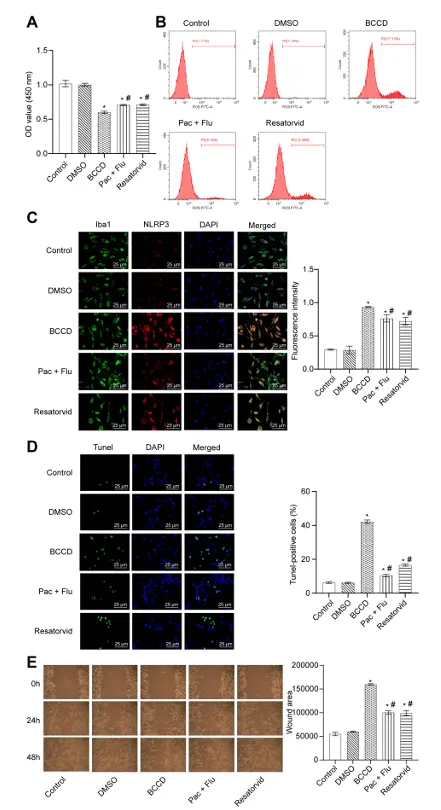
The protective effects of Resatorvid
2.4 Article Title:LPS stimulation-induced regulation of LECT2 expression via TLR4 in hepatocytes
Study Overview: This study aims to elucidate the molecular mechanism by which LPS induces LECT2 expression in hepatocytes via the TLR4/p38 MAPK/AP-1 axis. It demonstrates that LPS directly stimulates the upregulation of LECT2 transcription and secretion in mouse hepatocytes (AML12), a process that depends on TLR4 receptor activation. which subsequently activates the p38 MAPK pathway, leading to the binding of the transcription factor AP-1 to the LECT2 promoter and ultimately resulting in high LECT2 expression under inflammatory conditions.[5]
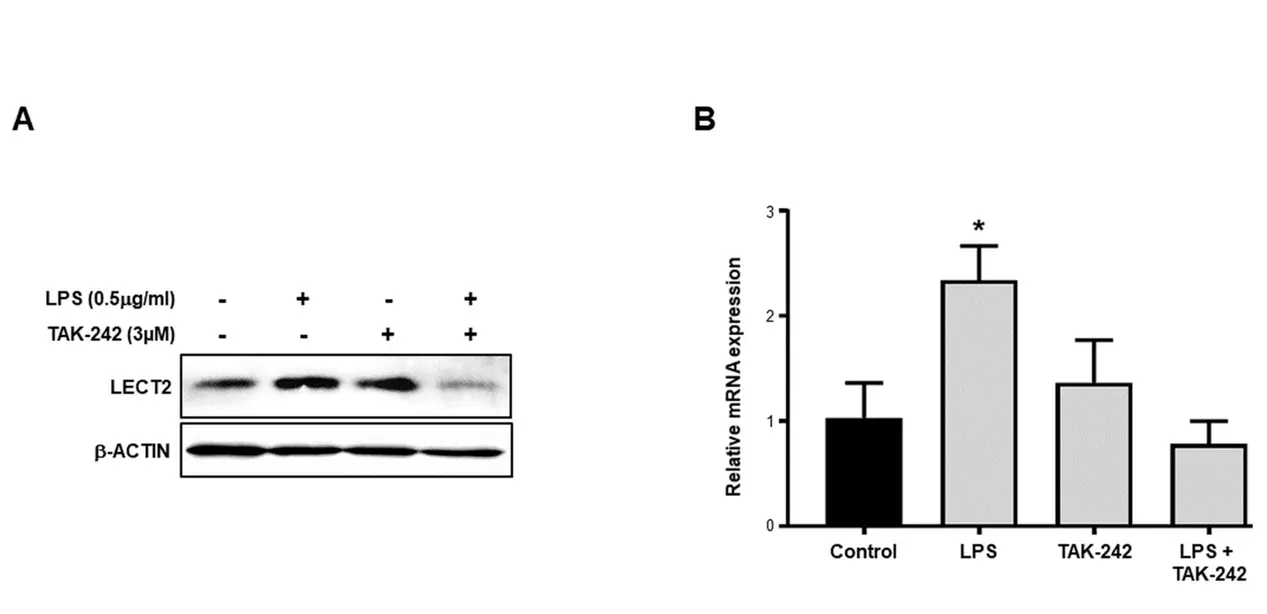
Resatorvid inhibits TLR4
References
[1]Kawai T,Ikegawa M,Ori D,Akira S.Decoding Toll-like receptors:Recent insights and perspectives in innate immunity.Immunity.2024,57(4):649-673.doi:10.1016/j.immuni.2024.03.004
[2]Liu X,Li H,Feng Y,et al.Resatorvid alleviates experimental inflammatory TMJOA by restraining chondrocyte pyroptosis and synovial inflammation.Arthritis Res Ther.2023,25(1):230.Published2023Nov29. doi:10.1186/s13075-023-03214-4
[3]Jiang LJ,Xu ZX,Wu MF,et al.Resatorvid protects against hypoxic-ischemic brain damage in neonatal rats.Neural Regen Res.2020,15(7):1316-1325.doi:10.4103/1673-5374.272615
[4]Zhang X,Fan H,Su L,Wang Y,Chen G.Mdivi-1Attenuates Sepsis-Associated Acute Lung Injury by Inhibiting M1Alveolar Macrophage Polarization and Pyroptosis.Mediators Inflamm.2025,2025:3675276. Published2025Mar30. doi:10.1155/mi/3675276
[5] Bakiallah AE, Damayanti DS, Nogueira R, Choi HS, Chun KH. LPS stimulation-induced regulation of LECT2 expression via TLR4 in hepatocytes. BMB Rep. 2025;58(6):250-256. doi:10.5483/BMBRep.2025-0046
An essential round-up of science news, opinion and analysis, delivered to your inbox every weekday.
 Feedback
 Hello! How can I help you today?
Copyright © 2015-2026 TargetMol Chemicals Inc. All Rights Reserved.