Shopping Cart
Remove All Your shopping cart is currently empty
TargetMol—Signal Pathway—PEG300 (Cat. No. T7022, CAS.25322-68-3), Commonly Used in vivo dosing Solvents
1. Product Introduction
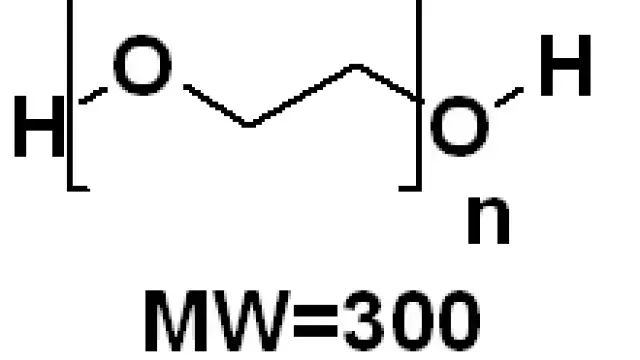
PEG300 (Cat. No. T7022, CAS.25322-68-3), also known as Polyethylene glycol 300. PEG300 is a polymer composed of repeating ethylene glycol units, characterized by water solubility, low immunogenicity, and good biocompatibility. PEG300 is a non-ionic polymer with an average molecular weight of 300.
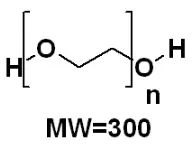
Molecular structure of PEG300
2. Background Introduction
PEG300 (Polyethylene glycol 300) belongs to the polyethylene glycol (PEG) family, a class of linear polyether compounds formed by the polymerization of ethylene oxide. The physicochemical properties of PEG are closely related to its molecular weight. With an average molecular weight of approximately 300, PEG300 is typically a colorless, transparent liquid with good water solubility and hydrophilicity. Owing to their excellent solubilizing capacity and complete miscibility with water, PEG materials are widely used in pharmaceutical formulations as co-solvents or carriers to significantly enhance the solubility and bioavailability of poorly soluble drugs. In addition, differences in PEG molecular weight determine their physical state and application scenarios; low-molecular-weight PEGs (such as PEG300 and PEG400) are commonly used in co-solvent systems for injectable or oral formulations. [1]
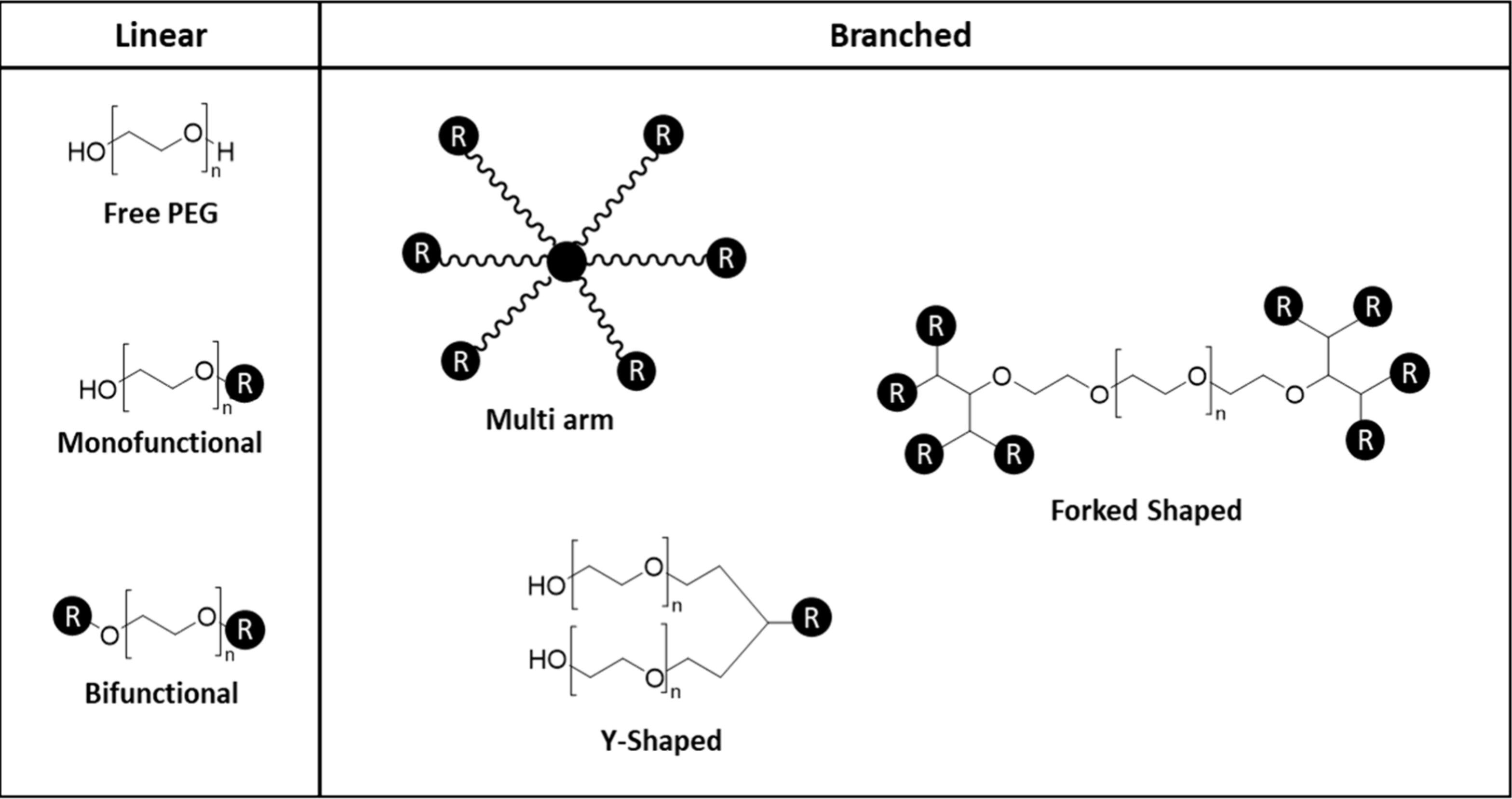
Possible branched PEG structures [2]
PEG materials exhibit good biocompatibility, low toxicity, and non-immunogenic. As a low-molecular-weight representative, PEG300 shares these advantages, maintaining low immunogenic responses and high tolerability in vivo. With good chemical stability and hydrophilicity, PEG300 is widely used as a pharmaceutical solvent, permeation enhancer, and component of various formulation systems.
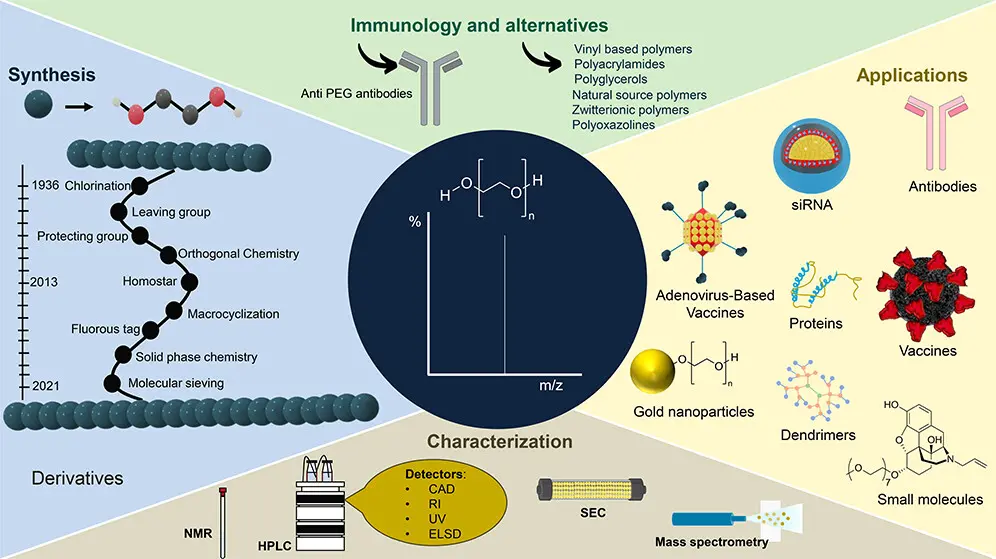
Development and applications of PEG [2]
3. Application References
Physicochemical properties and CO2 absorption performance of poly(ethylene glycol) 300 + hydroxyethyl ethylenediamine mixed solution
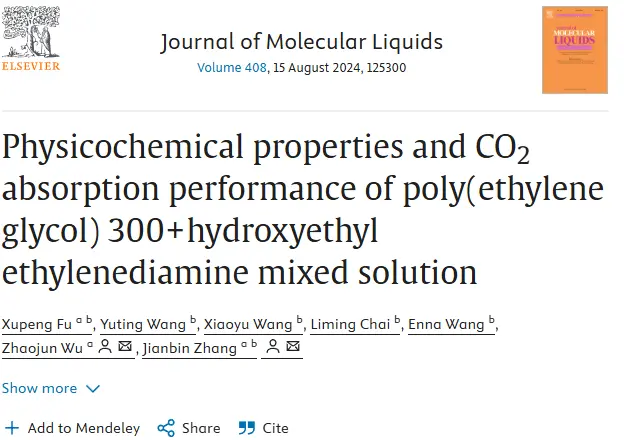
Research Overview:
This study constructed a mixed absorption system using PEG300 and hydroxyethyl ethylenediamine (AEEA) and systematically investigated its physicochemical properties and absorption performance in the CO2 capture process. The authors experimentally measured fundamental properties such as density and viscosity at different composition ratios and further evaluated the CO2 absorption capacity and mass transfer behavior of the system. The results showed that PEG300, as a polar solvent, effectively improved the fluidity and gas solubility of the system, while AEEA provided chemical absorption sites. Their synergistic effect significantly enhanced CO2 absorption efficiency and cyclic stability. This work demonstrates the promising application potential of PEG300-based mixed solvents in the field of carbon capture and provides experimental evidence for developing efficient, tunable, and environmentally friendly absorption systems. [3]
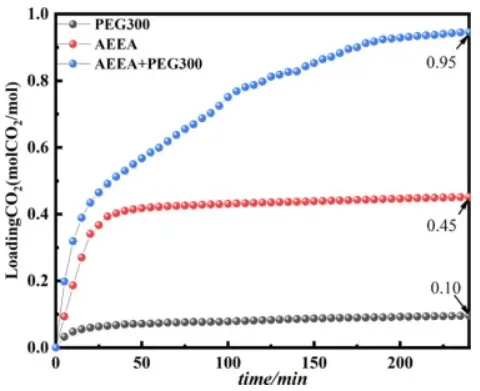
Absorb data of CO2 [3]
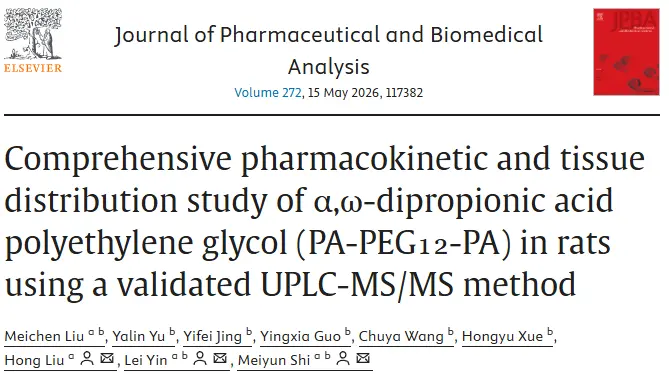
Comprehensive pharmacokinetic and tissue distribution study of α,ω-dipropionic acid polyethylene glycol (PA-PEG12-PA) in rats using a validated UPLC-MS/MS method
Research Overview:
This study systematically evaluated the pharmacokinetics and tissue distribution characteristics of PEG materials in vivo using animal models, with a focus on how molecular weight influences absorption, distribution, and clearance behavior. The results showed that low-molecular-weight PEGs (such as PEG300) exhibit rapid in vivo distribution and clearance, are primarily eliminated via renal excretion, and demonstrate good biocompatibility with a low risk of tissue accumulation. The study also highlighted that PEG, as a key excipient in drug delivery systems, can significantly influence the in vivo behavior and bioavailability of drugs. [4]
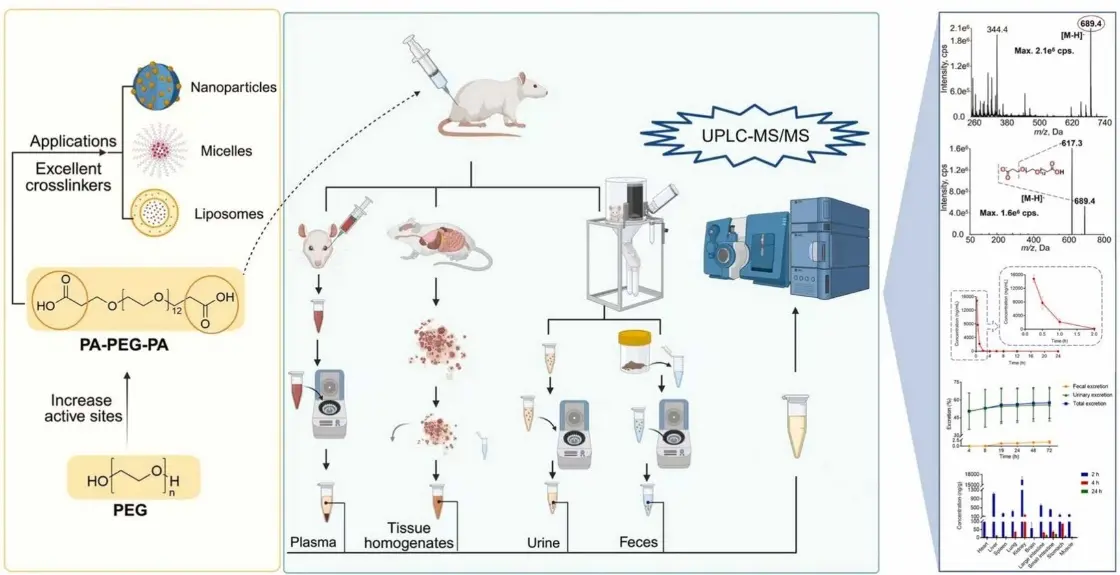
The pharmacokinetics and tissue distribution of PA-PEG12-PA in rats were studied by UPLC-MS / MS method. [4]
Ponicidin ameliorates Alzheimer's disease through dual inhibition of RIPK1-mediated neuroinflammation and necroptosis
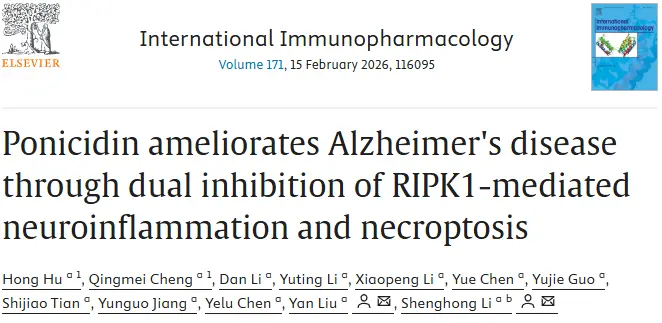
This study found that the natural diterpenoid compound Ponicidin showed significant neuroprotective effects in the Alzheimer 's disease model, and its mechanism was closely related to the simultaneous inhibition of RIPK1-mediated neuroinflammatory response and necroptosis. In vivo and in vitro experiments showed that Ponicidin could down-regulate the activation of RIPK1/RIPK3/MLKL signaling pathway, reduce neuronal necroptosis, and significantly inhibit the excessive activation of microglia and the release of inflammatory factors, thereby alleviating the neuroinflammatory microenvironment. In addition, Ponicidin improved cognitive dysfunction and reduced pathological damage in brain tissue. This study reveals that simultaneous intervention of neuroinflammation and necroptosis through dual targeting of RIPK1 signaling axis is a potential new strategy for the treatment of Alzheimer 's disease. [5]
In this study, PEG300 was mainly used as a solvent / carrier for in vivo administration to dissolve Ponicidin and perform intraperitoneal injection in animal models. Due to the strong hydrophobicity and limited solubility of Ponicidin in water, PEG300 can improve its solubility and stability, and ensure the effective delivery and bioavailability of Ponicidin in vivo. In this study, PEG300 is not involved in the study of pharmacodynamic mechanism, but plays a role in drug delivery as a commonly used in vivo drug delivery cosolvent.
4. References
[1] Gullapalli RP, Mazzitelli CL. Polyethylene glycols in oral and parenteral formulations--A critical review. Int J Pharm. 2015 Dec 30;496(2):219-39. doi: 10.1016/j.ijpharm.2015.11.015. Epub 2015 Nov 12. PMID: 26581774.
[2] Bento C, Katz M, Santos MMM, Afonso CAM. Striving for Uniformity: A Review on Advances and Challenges To Achieve Uniform Polyethylene Glycol. Org Process Res Dev. 2024 Apr 1;28(4):860-890. doi: 10.1021/acs.oprd.3c00428. PMID: 38660381; PMCID: PMC11036406.
[3] Xupeng Fu, Yuting Wang, Xiaoyu Wang, et al. Physicochemical properties and CO2 absorption performance of poly(ethylene glycol) 300 + hydroxyethyl ethylenediamine mixed solution. Journal of Molecular Liquids. 2024, 408, 125300.
[4] Liu M, Yu Y, Jing Y, et al. Comprehensive pharmacokinetic and tissue distribution study of α,ω-dipropionic acid polyethylene glycol (PA-PEG12-PA) in rats using a validated UPLC-MS/MS method. J Pharm Biomed Anal. 2026 May 15;272:117382. doi: 10.1016/j.jpba.2026.117382. Epub 2026 Jan 28. PMID: 41619531.
[5] Hu H, Cheng Q, Li D, Li Y, Li X, Chen Y, Guo Y, Tian S, Jiang Y, Chen Y, Liu Y, Li S. Ponicidin ameliorates Alzheimer's disease through dual inhibition of RIPK1-mediated neuroinflammation and necroptosis. Int Immunopharmacol. 2026 Feb 15;171:116095. doi: 10.1016/j.intimp.2025.116095. Epub 2025 Dec 31. PMID: 41477991.
An essential round-up of science news, opinion and analysis, delivered to your inbox every weekday.
 Feedback
 Hello! How can I help you today?
Copyright © 2015-2026 TargetMol Chemicals Inc. All Rights Reserved.