Shopping Cart
Remove All
Your shopping cart is currently empty
ASGR1 Protein, Human, Recombinant (His & Avi), Biotinylated is expressed in HEK293 mammalian cells with His and Avi tag. The predicted molecular weight is 29.58 kDa and the accession number is P07306.

| Pack Size | Price | USA Warehouse | Global Warehouse | Quantity |
|---|---|---|---|---|
| 5 μg | $215 | 7-10 days | 7-10 days | |
| 10 μg | $359 | 7-10 days | 7-10 days | |
| 20 μg | $600 | 7-10 days | 7-10 days | |
| 50 μg | $939 | 7-10 days | 7-10 days | |
| 100 μg | $1,580 | 7-10 days | 7-10 days |
| Biological Activity | Activity testing is in progress. It is theoretically active, but we cannot guarantee it. If you require protein activity, we recommend choosing the eukaryotic expression version first. |
| Description | ASGR1 Protein, Human, Recombinant (His & Avi), Biotinylated is expressed in HEK293 mammalian cells with His and Avi tag. The predicted molecular weight is 29.58 kDa and the accession number is P07306. |
| Species | Human |
| Expression System | HEK293 Cells |
| Tag | N-His-Avi |
| Accession Number | P07306 |
| Synonyms | HL-1,CLEC4H1,asialoglycoprotein receptor 1,ASGPR1,ASGPR |
| Construction | A DNA sequence encoding the Human ASGR1 (P07306) (Gln62-Leu291) was expressed with a N-terminal polyhistidine tag followed by an AVI tag.The expressed protein was biotinylated in vivo by the Biotin-Protein ligase (BirA enzyme) which is co-expressed. Predicted N terminal: His |
| Protein Purity | ≥ 95 % as determined by SDS-PAGE. ≥ 90 % as determined by SEC-HPLC. |
| Molecular Weight | 29.58 kDa (predicted); 40.6 kDa (reducing conditions) |
| Endotoxin | < 1.0 EU/μg of the protein as determined by the LAL method. |
| Formulation | Lyophilized from a solution filtered through a 0.22 μm filter, containing PBS, pH 7.4. Typically, a mixture containing 5% to 8% trehalose, mannitol, and 0.01% Tween 80 is incorporated as a protective agent before lyophilization. |
| Reconstitution | A Certificate of Analysis (CoA) containing reconstitution instructions is included with the products. Please refer to the CoA for detailed information. |
| Stability & Storage | It is recommended to store recombinant proteins at -20°C to -80°C for future use. Lyophilized powders can be stably stored for over 12 months, while liquid products can be stored for 6-12 months at -80°C. For reconstituted protein solutions, the solution can be stored at -20°C to -80°C for at least 3 months. Please avoid multiple freeze-thaw cycles and store products in aliquots. |
| Shipping | In general, Lyophilized powders are shipping with blue ice. |
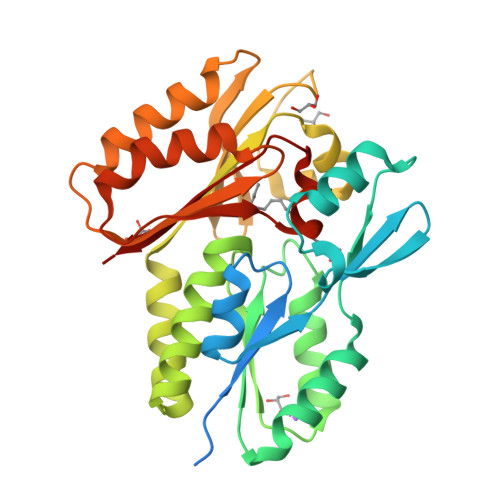
| Research Background | The asialoglycoprotein receptor (ASGPR), an endocytotic cell surface receptor expressed by hepatocytes, is triggered by triantennary binding to galactose residues of macromolecules such as asialoorosomucoid (ASOR). ASGPR belongs to the long-form subfamily of the C-type/Ca2+ dependent lectin family. It is a complex of two noncovalently-linked and highly homologous subunits, a major 42 kDa glycoprotein ASGPR1(MHL-1) and a minor 51 kDa glycoprotein ASGR2 (MHL-2). ASGPR1 is synthesized as a type II transmembrane protein that contains a cytosolic N-terminal domain, a single transmembrane segment, and an extracellular domain which contains two important structural regions. The first is a stalk domain that contributes to noncovalent oligomerization, and the second is a Ca2+-dependent carbohydrate binding domain at the very C-terminus that is unusually stabilized by three ions. The research regarded that ASGPR1 could be targeted for anti- hepatitis B virus (HBV) drug development. |
| Size | Quantity | Unit Price | Amount | Operation |
|---|

Copyright © 2015-2025 TargetMol Chemicals Inc. All Rights Reserved.