Shopping Cart
Remove All
  • TargetMol
    Your shopping cart is currently empty

TCPTP Protein, Human, Recombinant (aa 1-314, His & GST)

Catalog No. TMPY-02173

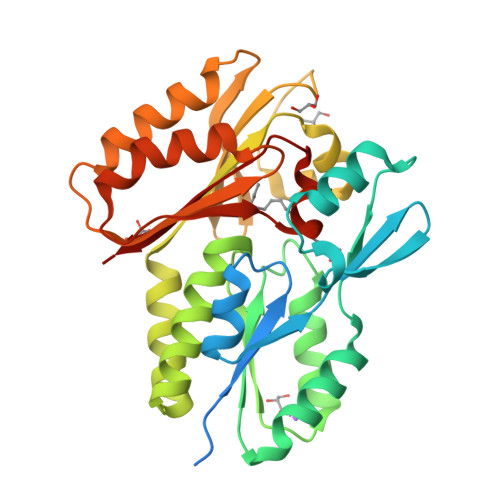
TCPTP Protein, Human, Recombinant (aa 1-314, His & GST) is expressed in Baculovirus insect cells with His and GST tag. The predicted molecular weight is 64.4 kDa and the accession number is P17706-1.

TCPTP Protein, Human, Recombinant (aa 1-314, His & GST)

TCPTP Protein, Human, Recombinant (aa 1-314, His & GST)

Catalog No. TMPY-02173
TCPTP Protein, Human, Recombinant (aa 1-314, His & GST) is expressed in Baculovirus insect cells with His and GST tag. The predicted molecular weight is 64.4 kDa and the accession number is P17706-1.
Pack SizePriceUSA WarehouseGlobal WarehouseQuantity
5 μg$797-10 days7-10 days
10 μg$1297-10 days7-10 days
20 μg$2087-10 days7-10 days
50 μg$4197-10 days7-10 days
100 μg$8127-10 days7-10 days
Add to Cart
Add to Quotation
In Stock Estimated shipping dateUSA Warehouse [1-2 days] Global Warehouse [5-7 days]
All TargetMol products are for research purposes only and cannot be used for human consumption. We do not provide products or services to individuals. Please comply with the intended use and do not use TargetMol products for any other purpose.
Questions
View More

Product Information

Biological Activity
Measured by its ability to dephosphorylate a phosphotyrosine residue in an EGF receptor 988-998 phosphopeptide substrate. The specific activity is > 20 nmoles/min/μg.
Description
TCPTP Protein, Human, Recombinant (aa 1-314, His & GST) is expressed in Baculovirus insect cells with His and GST tag. The predicted molecular weight is 64.4 kDa and the accession number is P17706-1.
Species
Human
Expression System
Baculovirus Insect Cells
TagHis, GST
Accession NumberP17706-1
Synonyms
TC-PTP,TCPTP,TCELLPTP,PTPT,PTN2,protein tyrosine phosphatase, non-receptor type 2
Construction
A DNA sequence encoding the amino acid (Met 1-Asn 314) of human PTPN2 (P17706-1) was fused with the N-terminal polyhistidine-tagged GST tag at the N-terminus. Predicted N terminal: Met
Protein Purity
> 90 % as determined by SDS-PAGE
Molecular Weight64.4 kDa (predicted); 60 kDa (reducing conditions)
Endotoxin< 1.0 EU/μg of the protein as determined by the LAL method.
FormulationSupplied as sterile 20 mM Tris, 300 mM NaCl, 10% glycerol, pH 8.0.
Reconstitution
A Certificate of Analysis (CoA) containing reconstitution instructions is included with the products. Please refer to the CoA for detailed information.
Stability & Storage
It is recommended to store the product under sterile conditions at -20°C to -80°C. Samples are stable for up to 12 months. Please avoid multiple freeze-thaw cycles and store products in aliquots.
ShippingShipping with blue ice.
Research Background
Tyrosine-protein phosphatase non-receptor type 2, also known as T-cell protein-tyrosine phosphatase, PTPN2 and PTPT, is a cytoplasm protein that belongs to the protein-tyrosine phosphatase family and Non-receptor class 1 subfamily. Members of the protein tyrosine phosphatase ( PTP ) family share a highly conserved catalytic motif, which is essential for the catalytic activity. TC-PTP / PTPN2 is a cytosolic tyrosine phosphatase that functions as a negative regulator of a variety of tyrosine kinases and other signaling proteins. The expression of TC-PTP / PTPN2 plays a role of tumor suppressor and may modulate response to treatment. PTPs are known to be signaling molecules that regulate a variety of cellular processes including cell growth, differentiation, mitotic cycle, and oncogenic transformation. Epidermal growth factor receptor and the adaptor protein Shc were reported to be substrates of this PTP, which suggested the roles in growth factor mediated cell signaling. TC-PTP / PTPN2 is an enzyme that is essential for the proper functioning of the immune system and that participates in the control of cell proliferation, and inflammation. TC-PTP / PTPN2 was identified as a negative regulator of NUP214-ABL1 kinase activity.

Dose Conversion

You can also refer to dose conversion for different animals. More

Calculator

  • Reconstitution Calculator
  • Recombinant Protein Dilution Calculator
  • Specific Activity Calculator

Tech Support

Please read the User Guide of Recombinant Proteins for more specific information.

Keywords