Shopping Cart
Remove All
Your shopping cart is currently empty
Herpes simplex viruses (human herpesviruses types 1 and 2) commonly cause recurrent infection affecting the skin, mouth, lips, eyes, and genitals. Herpes simplex virus type 2 (HSV-2) infection is responsible for significant neurological morbidity, perhaps more than any other virus. Herpes simplex virus type 2–associated neurological disease may result from primary infection or reactivation of latent HSV-2. Common severe infections include encephalitis, meningitis, neonatal herpes, and, in immunocompromised patients, disseminated infection.

| Pack Size | Price | USA Warehouse | Global Warehouse | Quantity |
|---|---|---|---|---|
| 5 μg | $79 | 7-10 days | 7-10 days | |
| 10 μg | $129 | 7-10 days | 7-10 days | |
| 20 μg | $208 | 7-10 days | 7-10 days | |
| 50 μg | $419 | 7-10 days | 7-10 days | |
| 100 μg | $812 | 7-10 days | 7-10 days |
| Biological Activity | Immobilized Recombinant Human CD111 / Nectin-1 / PVRL1 Protein (Fc Tag) at 2 μg/ml (100 μl/well) can bind Recombinant HSV 2 (strain 333) gD Protein (ECD, His Tag) , the EC50 is 30-100 ng/mL. |
| Description | Herpes simplex viruses (human herpesviruses types 1 and 2) commonly cause recurrent infection affecting the skin, mouth, lips, eyes, and genitals. Herpes simplex virus type 2 (HSV-2) infection is responsible for significant neurological morbidity, perhaps more than any other virus. Herpes simplex virus type 2–associated neurological disease may result from primary infection or reactivation of latent HSV-2. Common severe infections include encephalitis, meningitis, neonatal herpes, and, in immunocompromised patients, disseminated infection. |
| Species | HSV2 |
| Expression System | HEK293 Cells |
| Tag | C-His |
| Accession Number | P03172 |
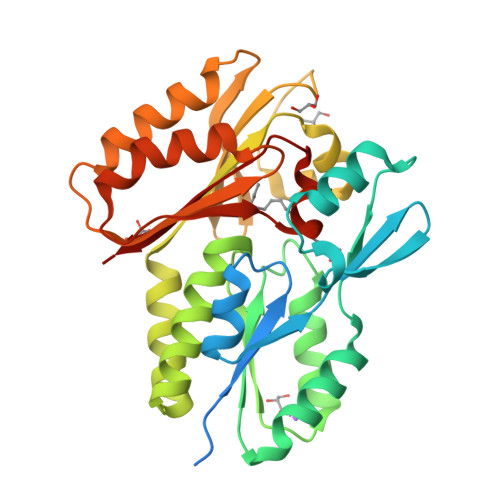
| Construction | A DNA sequence encoding the HSV 2 (strain 333 (HSV2)) gD (translated amino acids of P03172) (Lys26-Thr310) was expressed with a polyhistidine tag at the C-terminus. Predicted N terminal: Lys 26 |
| Protein Purity | ≥ 95 % as determined by SDS-PAGE. ≥ 95 % as determined by SEC-HPLC. |
| Molecular Weight | 33.31 kDa (predicted); 42.79 kDa (reducing conditions) |
| Endotoxin | < 1.0 EU/μg of the protein as determined by the LAL method. |
| Formulation | Lyophilized from a solution filtered through a 0.22 μm filter, containing PBS, pH 7.4. Typically, a mixture containing 5% to 8% trehalose, mannitol, and 0.01% Tween 80 is incorporated as a protective agent before lyophilization. |
| Reconstitution | A Certificate of Analysis (CoA) containing reconstitution instructions is included with the products. Please refer to the CoA for detailed information. |
| Stability & Storage | It is recommended to store recombinant proteins at -20°C to -80°C for future use. Lyophilized powders can be stably stored for over 12 months, while liquid products can be stored for 6-12 months at -80°C. For reconstituted protein solutions, the solution can be stored at -20°C to -80°C for at least 3 months. Please avoid multiple freeze-thaw cycles and store products in aliquots. |
| Shipping | In general, lyophilized powders are shipped with blue ice, while solutions are shipped with dry ice. |
| Research Background | Herpes simplex viruses (human herpesviruses types 1 and 2) commonly cause recurrent infection affecting the skin, mouth, lips, eyes, and genitals. Herpes simplex virus type 2 (HSV-2) infection is responsible for significant neurological morbidity, perhaps more than any other virus. Herpes simplex virus type 2–associated neurological disease may result from primary infection or reactivation of latent HSV-2. Common severe infections include encephalitis, meningitis, neonatal herpes, and, in immunocompromised patients, disseminated infection. |
| Size | Quantity | Unit Price | Amount | Operation |
|---|

Copyright © 2015-2026 TargetMol Chemicals Inc. All Rights Reserved.