Shopping Cart
Remove All
  • TargetMol
    Your shopping cart is currently empty

DPP4/CD26 Protein, Mouse, Recombinant (His)

TargetMol | SPR
Catalog No. TMPY-00074

DPP4/CD26 Protein, Mouse, Recombinant (His) is expressed in HEK293 mammalian cells with His tag. The predicted molecular weight is 85.9 kDa and the accession number is P28843.

DPP4/CD26 Protein, Mouse, Recombinant (His)

DPP4/CD26 Protein, Mouse, Recombinant (His)

TargetMol | SPR
Catalog No. TMPY-00074
DPP4/CD26 Protein, Mouse, Recombinant (His) is expressed in HEK293 mammalian cells with His tag. The predicted molecular weight is 85.9 kDa and the accession number is P28843.
Pack SizePriceUSA WarehouseGlobal WarehouseQuantity
5 μg$1087-10 days7-10 days
10 μg$1787-10 days7-10 days
20 μg$2967-10 days7-10 days
50 μg$6967-10 days7-10 days
Add to Cart
Add to Quotation
In Stock Estimated shipping dateUSA Warehouse [1-2 days] Global Warehouse [5-7 days]
All TargetMol products are for research purposes only and cannot be used for human consumption. We do not provide products or services to individuals. Please comply with the intended use and do not use TargetMol products for any other purpose.
Questions
View More

Product Information

Biological Activity
Activity testing is in progress. It is theoretically active, but we cannot guarantee it. If you require protein activity, we recommend choosing the eukaryotic expression version first.
Description
DPP4/CD26 Protein, Mouse, Recombinant (His) is expressed in HEK293 mammalian cells with His tag. The predicted molecular weight is 85.9 kDa and the accession number is P28843.
Species
Mouse
Expression System
HEK293 Cells
TagC-His
Accession NumberP28843
Synonyms
THAM,Dpp-4,dipeptidylpeptidase 4,Cd26
Construction
A DNA sequence encoding the mouse Dpp4 (NP_034204.1) (Ser29-His760) was expressed with a polyhistidine tag at the C-terminus. Predicted N terminal: Ser 29
Protein Purity
> 90 % as determined by SDS-PAGE.
Molecular Weight85.9 kDa (predicted)
Endotoxin< 1.0 EU/μg of the protein as determined by the LAL method.
FormulationLyophilized from a solution filtered through a 0.22 μm filter, containing PBS, pH 7.4. Typically, a mixture containing 5% to 8% trehalose, mannitol, and 0.01% Tween 80 is incorporated as a protective agent before lyophilization.
Reconstitution
A Certificate of Analysis (CoA) containing reconstitution instructions is included with the products. Please refer to the CoA for detailed information.
Stability & Storage
It is recommended to store recombinant proteins at -20°C to -80°C for future use. Lyophilized powders can be stably stored for over 12 months, while liquid products can be stored for 6-12 months at -80°C. For reconstituted protein solutions, the solution can be stored at -20°C to -80°C for at least 3 months. Please avoid multiple freeze-thaw cycles and store products in aliquots.
ShippingIn general, Lyophilized powders are shipping with blue ice.
Research Background
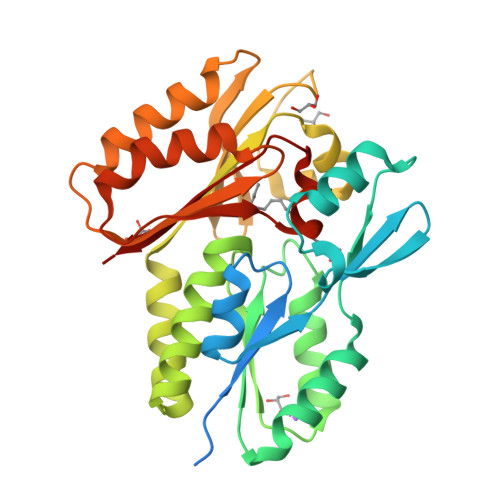
Dipeptidyl peptidase-4 (DPP4) or adenosine deaminase complexing protein 2 (ADCP 2) or T-cell activation antigen CD26 is a serine exopeptidase belonging to the S9B protein family that cleaves X-proline dipeptides from the N-terminus of polypeptides, such as chemokines, neuropeptides, and peptide hormones. The enzyme is a type II transmembrane glycoprotein, expressed on the surface of many cell types. It is also present in serum and other body fluids in a truncated form (sCD26/DPPIV). The soluble CD26 (sCD26) as a tumour marker for the detection of colorectal cancer (CRC) and advanced adenomas. As both a regulatory enzyme and a signalling factor, DPP4 has been evaluated and described in many studies. DPP4 inhibition results in increased blood concentration of the incretin hormones glucagon-like peptide-1 (GLP-1) and gastric inhibitory polypeptide (GIP). This causes an increase in glucose-dependent stimulation, resulting in a lowering of blood glucose levels. Recent studies have shown that DPP4 inhibitors can induce a significant reduction in glycosylated haemoglobin (HbA(1c)) levels, either as monotherapy or as a combination with other antidiabetic agents. Research has also demonstrated that DPP4 inhibitors portray a very low risk of hypoglycaemia development, and are a new pharmacological class of drugs for treating Type 2 diabetes.

Dose Conversion

You can also refer to dose conversion for different animals. More

Calculator

  • Reconstitution Calculator
  • Recombinant Protein Dilution Calculator
  • Specific Activity Calculator

Tech Support

Please read the User Guide of Recombinant Proteins for more specific information.