


Shopping Cart
Remove All Your shopping cart is currently empty

Synonyms: NPW-23

| Pack Size | Price | USA Stock | Global Stock | Quantity |
|---|---|---|---|---|
| 1 mg | $123 | In Stock | In Stock | |
| 2 mg | $196 | In Stock | In Stock | |
| 5 mg | $372 | In Stock | In Stock | |
| 10 mg | $538 | In Stock | In Stock | |
| 25 mg | $855 | In Stock | In Stock | |
| 50 mg | $1,150 | In Stock | In Stock | |
| 100 mg | $1,550 | In Stock | In Stock | |
| 500 mg | $2,970 | - | In Stock |
| Description | Neuropeptide W-23(human) (NPW-23) is an endogenous ligand for NPBW1 and NPBW2. |
| In vitro | NPW-23 increases the ICa,L in transfected human embryonic kidney 293 cells and VSMCs via GPR7 which may involve in the development of vascular hypertension. NPW-23 increases the expression of pan phospho-PKC, intracellular diacylglycerol level, and the second messenger catalyzed by PLC[1]. |
| In vivo | NPW-23 increases pressure-induced vasotone of the rat mesenteric arteries. Importantly, the expression of NPW is decreased in the hypertensive rats[1]. NPW-23 (0.3 nmol, 1.0 nmol, and 3.0 nmol) induces significant increases in mean arterial pressure (MAP) in conscious, freely moving male rats. Rats that receive either 1.0 or 3.0 nmol NPW-23 demonstrate a significant increase in total activity, ambulatory activity, and duration of stereotypy. NPW-23 fails to elevate MAP in rats pretreated with phentolamine. NPW-23-induced increases in total activity, ambulatory activity, and duration of stereotypy are reduced significantly by pretreatment with the orexin type 1 receptor (OX1R) antagonist, SB-408124 which suggests that orexin neurons are downstream targets of NPW [2]. |
| Synonyms | NPW-23 |
| Molecular Weight | 2584.01 |
| Formula | C119H183N35O28S |
| Cas No. | 383415-79-0 |
| Smiles | C([C@@H](C(N[C@@H](CC1=CC=C(O)C=C1)C(N[C@H](C(N[C@@H](CC2=CN=CN2)C(N[C@H](C(N[C@H](C(N[C@H](C(=O)N3[C@H](C(N[C@H](C(N[C@@H](CC4=CC=C(O)C=C4)C(N[C@@H](CC5=CN=CN5)C(N[C@H](C(N[C@H](C(NCC(N[C@H](C(N[C@H](C(N[C@H](C(NCC(N[C@H](C(N[C@H](C(N[C@H](C(NCC(N[C@@H](CC(C)C)C(O)=O)=O)=O)CCSC)=O)CC(C)C)=O)CC(C)C)=O)=O)C)=O)C)=O)CCCNC(=N)N)=O)=O)[C@@H](C)C)=O)[C@@H](C)O)=O)=O)=O)CCCNC(=N)N)=O)CCC3)CO)=O)C)=O)[C@H](C)C)=O)=O)CCCCN)=O)=O)N)C=6C=7C(NC6)=CC=CC7 |
| Relative Density. | no data available |
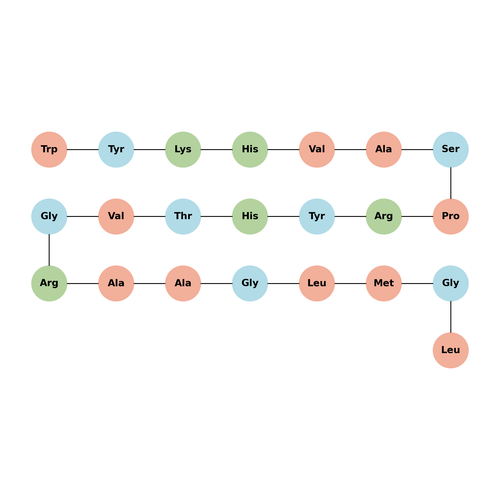
| Sequence | Trp-Tyr-Lys-His-Val-Ala-Ser-Pro-Arg-Tyr-His-Thr-Val-Gly-Arg-Ala-Ala-Gly-Leu-Met-Gly-Leu |
| Sequence Short | WYKHVASPRYHTVGRAAGLMGL |
| Storage | Keep away from moisture Powder: -20°C for 3 years | In solvent: -80°C for 1 year Shipping with blue ice/Shipping at ambient temperature. |
| Solubility Information | H2O: Soluble |
 For example, if the intended dosage is 10 mg/kg for animals weighing 20 g , with a dosing volume of 100 μL per animal, and a total of 10 animals are to be administered, using a formulation of
  10% DMSO+ 40% PEG300+ 5% Tween 80+ 45% Saline/PBS/ddH2O , the resulting working solution concentration would be 2 mg/mL.
Dissolve 2 mg of the compound in 100 μL DMSO to obtain a stock solution at a concentration of 20 mg/mL . If the required concentration exceeds the compound's known solubility, please contact us for technical support before proceeding.
1) Add 100 μL of the DMSO stock solution to 400 µL PEG300 and mix thoroughly until the solution becomes clear.
2) Add 50 µL Tween 80 and mix well until fully clarified.
3) Add 450 µL Saline,PBS or ddH2O and mix thoroughly until a homogeneous solution is obtained.
| Size | Quantity | Unit Price | Amount | Operation |
|---|
 Feedback
 Hello! How can I help you today?
Copyright © 2015-2026 TargetMol Chemicals Inc. All Rights Reserved.
