


Shopping Cart
Remove All Your shopping cart is currently empty

Synonyms: Corticotropin, Adrenocorticotrophic hormone, ACTH
| Pack Size | Price | USA Stock | Global Stock | Quantity |
|---|---|---|---|---|
| 5 mg | Inquiry | Inquiry | Inquiry | |
| 50 mg | Inquiry | Inquiry | Inquiry |
| Description | Adrenocorticotropic hormone (ACTH) is a polypeptide tropic hormone secreted by the anterior pituitary. Adrenocorticotropic hormone stimulates the adrenal cortex to release cortisol via the hypothalamic-pituitary-adrenal (HPA) axis and regulates the production of both cortisol and androgens. This hormone also promotes the progression of sperm development. In gout models, adrenocorticotropic hormone alleviates acute inflammatory responses by inhibiting macrophage polarization toward the M1 phenotype, reducing the production of reactive oxygen species (ROS) and pro-inflammatory cytokines, and protecting mitochondrial function. |
| In vitro | Method: Spermatogenic cells were isolated from mouse seminiferous tubules and treated with 100 nM adrenocorticotropic hormone for 5 weeks. Result: The treatment induced the formation of cell clusters from spermatogenic cells, significantly increased the proportion of pre-meiotic cells (positive for CDH-1, VASA, and MC2R), and upregulated the expression of PLZF, VASA, MC2R, and THY-1 genes [1]. Method: Spermatogenic cells were isolated from mouse seminiferous tubules and treated with 100 nM adrenocorticotropic hormone for 5 weeks. Result: The treatment significantly increased the proportion of cells positive for the meiotic marker BOULE and its gene expression, while having no significant effect on the proportion of CREM-positive cells. It also increased the proportion of cells positive for the post-meiotic marker ACROSIN but decreased its gene expression, with no effect on the expression of SCP3 or protamine [1]. Method: THP-1 cells were induced to differentiate into macrophages, then stimulated with MSU crystals (100 μg/ml). Thirty minutes later, the cells were treated with adrenocorticotropic hormone (1.25×10⁻⁴ U/ml and 2.5×10⁻⁴ U/ml) or dexamethasone (100 nM) for 48 hours. Flow cytometry was used to detect macrophage phagocytosis, polarization markers (iNOS/Arg-1), and reactive oxygen species levels. qRT-PCR was used to measure the expression of inflammation-related genes. Result: Adrenocorticotropic hormone dose-dependently inhibited the phagocytic function of MSU-stimulated THP-1 macrophages, promoted the polarization of M1 to M2 macrophages, downregulated the pro-inflammatory factors IL-1β, IL-6, and TNF-α, suppressed ROS production, and upregulated the expression of Arg-1, NR1H2, IL-37, FcγRIIIA, and GAS6, while downregulating the expression of NLRP3, MC2R, and MC3R. Its transcriptional regulatory mechanism was different from that of dexamethasone [2]. |
| In vivo | Method: C57BL/6 mice were divided into three groups. An acute gouty arthritis model was established by injecting MSU crystals (50 μl, 1 mg) into the right footpad joint. Thirty minutes later, different concentrations of adrenocorticotropic hormone (0.25 U/ml and 2.5 U/ml) were subcutaneously injected. Joint swelling was measured 8 hours later, inflammatory cell infiltration in joint tissues was observed by H&E staining, and serum cortisol levels were detected by ELISA. Result: A high concentration of adrenocorticotropic hormone (2.5 U/ml) significantly alleviated MSU-induced joint swelling and inflammatory cell infiltration in mice, whereas a low concentration (0.25 U/ml) had no significant effect. Serum cortisol levels in the adrenocorticotropic hormone-treated groups showed no significant change compared with the control group, indicating that its anti-inflammatory effect is independent of cortisol synthesis [2]. |
| Synonyms | Corticotropin, Adrenocorticotrophic hormone, ACTH |
| Cas No. | 9002-60-2 |
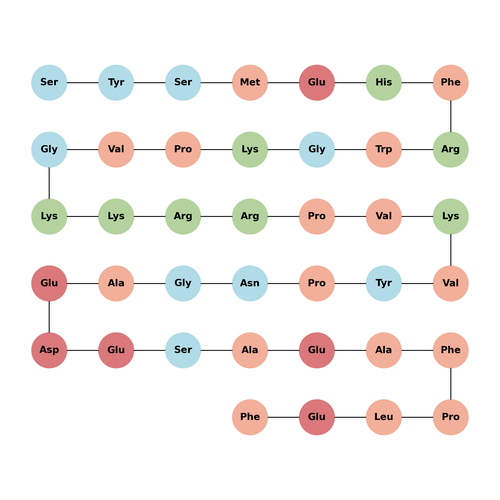
| Sequence | Ser-Tyr-Ser-Met-Glu-His-Phe-Arg-Trp-Gly-Lys-Pro-Val-Gly-Lys-Lys-Arg-Arg-Pro-Val-Lys-Val-Tyr-Pro-Asn-Gly-Ala-Glu-Asp-Glu-Ser-Ala-Glu-Ala-Phe-Pro-Leu-Glu-Phe |
| Sequence Short | SYSMEHFRWGKPVGKKRRPVKVYPNGAEDESAEAFPLEF |
| Storage | Keep away from moisture, Powder: -20°C for 3 years | In solvent: -80°C for 1 year Shipping with blue ice/Shipping at ambient temperature. |
| Solubility Information | DMSO: 40 mg/mL, Sonication is recommended. |
 For example, if the intended dosage is 10 mg/kg for animals weighing 20 g , with a dosing volume of 100 μL per animal, and a total of 10 animals are to be administered, using a formulation of
  10% DMSO+ 40% PEG300+ 5% Tween 80+ 45% Saline/PBS/ddH2O , the resulting working solution concentration would be 2 mg/mL.
Dissolve 2 mg of the compound in 100 μL DMSO to obtain a stock solution at a concentration of 20 mg/mL . If the required concentration exceeds the compound's known solubility, please contact us for technical support before proceeding.
1) Add 100 μL of the DMSO stock solution to 400 µL PEG300 and mix thoroughly until the solution becomes clear.
2) Add 50 µL Tween 80 and mix well until fully clarified.
3) Add 450 µL Saline,PBS or ddH2O and mix thoroughly until a homogeneous solution is obtained.
| Size | Quantity | Unit Price | Amount | Operation |
|---|
 Feedback
 Hello! How can I help you today?
Copyright © 2015-2026 TargetMol Chemicals Inc. All Rights Reserved.
