


Shopping Cart
Remove All Your shopping cart is currently empty

Synonyms: ROS Assay Kit
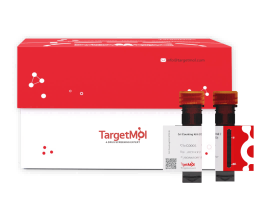
| Pack Size | Price | USA Stock | Global Stock | Quantity |
|---|---|---|---|---|
| 100 T | $142 | - | In Stock | |
| 100 T * 5 | $533 | 7-10 days | 7-10 days |
 Related Products Product Information
E.G., Taking 100 T packing for example
| Catalog No. | Product Name | Packing |
|---|---|---|
| C0177-1 | DCFH-DA(1000×) | 100 µL |
| C0177-2 | Rosup(125×) | 800 µL |
Features1.High sensitivity;
2.Well-established control system;
3.Applicable to various sample types;
4.Compatible with multiple detection instruments;
5.Excellent experimental reproducibility;
6.Easy to operate.
ApplicationResearch on oxidative stress signaling pathways, cellular metabolism regulation, antioxidant drug screening, and drug toxicity testing.
InstructionsI. Probe Loading
Select the appropriate probe loading method based on the stimulation duration:
Short-term stimulation (usually≤ 2 h): It is recommended to load the probe first, then stimulate the cells with the reactive oxygen species (ROS) positive control (Rosup) or the experimental compound.
Long-term stimulation (usually ≥ 6 h): It is recommended to treat the cells with the compound or Rosup first, and then load the probe.
A. In Situ Loading Method (for Adherent Cells)
1.Seed the cells into an appropriate culture plate one day before the experiment to ensure that cell confluence reaches 50-70% at the time of detection.
2.Remove the culture medium and add the drug at the desired concentration according to the experimental design.
Incubate at 37°C in the dark. The stimulation time depends on the drug properties and cell type. Positive control (optional): Dilute Rosup (125×) at 1:125 to achieve a final concentration of 1×. Add to the cells and incubate at 37°C in the dark for 0.5-4 hours.
3.Dilute DCFH-DA 1:1000 with an appropriate diluent (serum-free medium, PBS, or HBSS) to prepare a 1× working solution.
4.Remove the culture medium and add a sufficient amount of the diluted DCFH-DA working solution to completely cover the cells. For example, in a six-well plate, add at least 1 mL per well. Incubate at 37°C for 20-30 minutes.
5.After incubation, wash the cells three times with an appropriate diluent (serum-free medium, PBS, or HBSS) to remove excess probe that has not entered the cells.
B. Cell Loading Method after Collection (Applicable to Adherent and Suspension Cells)
1.Culture cells using standard procedures. Collect and wash the cells to obtain an adequate cell suspension.
2.Add the appropriate concentration of the drug according to your experimental design. Incubate at 37°C in the dark; the stimulation time depends on the properties of the drug and the cell type. Positive control (optional): Dilute Rosup 1:125 (125×), giving a final concentration of 1×. Add to cells and incubate at 37°C in the dark for 0.5–4 h.
3.Dilute DCFH-DA at 1:1000 with a suitable diluent (serum-free medium, PBS, or HBSS) to a final concentration of 1×.
4.After collection, resuspend the cells in the diluted DCFH-DA solution and adjust the cell density to 1×10^6 – 2×10^7 cells/mL. Incubate in a 37°C incubator for 20–30 min, gently inverting the tube every 3–5 min to facilitate probe uptake by the cells.
5.After incubation, wash the cells three times with a suitable diluent (serum-free medium, PBS, or HBSS) to remove excess probe that has not entered the cells.
6.After washing, cells can be directly stimulated with the drug or positive control, or grouped for subsequent stimulation treatments.
II. Fluorescence Detection
A. In situ loaded samples: Can be directly observed using a laser confocal microscope, or cells can be collected and measured using a fluorescence spectrophotometer, a fluorescence microplate reader, or a flow cytometer.
B. Post-collection loaded samples: Suitable for measurement with a fluorescence spectrophotometer, a fluorescence microplate reader, or a flow cytometer, and fluorescence microscopy images can also be directly observed.
Note: Excitation wavelength (Ex): 488 nm; Emission wavelength (Em): 525 nm. Real-time monitoring or multi-time sampling can be performed to compare fluorescence intensity changes before and after stimulation.
StorageStore at -20 °C, protected from light. Valid for one year.
Precautions1.The effect of Rosup may vary significantly among different cell types. Please adjust the concentration of the positive control based on pre-experiment results.
2.Since the sample type and experimental conditions can affect staining efficiency, it is recommended to optimize the concentration of probe working solution and staining time through preliminary experiments.
3.If the negative control cells without stimulation show relatively strong fluorescence, the probe concentration can be appropriately reduced.
4.Before detection, the cell density for resuspension should be determined according to the fluorescence intensity. If fluorescence is strong, decrease cell density by reducing the volume of serum-free medium used for resuspension, and vice versa. At the same time, ensure that the cell density is consistent across all treatment groups.
5.DCF fluorescence is prone to quenching. Samples should ideally be detected within 2 hours after staining. During the procedure, avoid exposure to light.
6.The product is for R&D use only, not for diagnostic procedures, food, drug, household or other uses.
7.Please wear a lab coat and disposable gloves.
Instruction Manual| Size | Quantity | Unit Price | Amount | Operation |
|---|
 Feedback
 Hello! How can I help you today?
Copyright © 2015-2026 TargetMol Chemicals Inc. All Rights Reserved.
