


Shopping Cart
Remove All Your shopping cart is currently empty

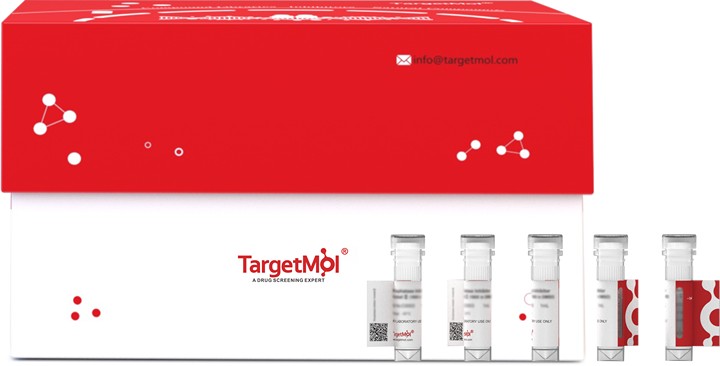
CD70 Protein, Human, Recombinant (His) is expressed in HEK293 mammalian cells with His tag. The predicted molecular weight is 53.71 kDa and the accession number is NP_001243.1.
| Pack Size | Price | USA Stock | Global Stock | Quantity |
|---|---|---|---|---|
| 5 μg | $68 | - | In Stock | |
| 10 μg | $108 | - | In Stock | |
| 20 μg | $178 | 7-10 days | 7-10 days | |
| 50 μg | $359 | 7-10 days | 7-10 days | |
| 100 μg | $696 | 7-10 days | 7-10 days | |
| 200 μg | $1,060 | 7-10 days | 7-10 days | |
| 500 μg | $2,230 | 7-10 days | 7-10 days | |
| 1 mg | $4,530 | 7-10 days | 7-10 days |
| Biological Activity | Immobilized Recombinant Human CD27 Protein (Fc Tag) at 2 μg/mL (100 μL/well) can bind Recombinant Human CD70 Protein (His Tag) , The EC50 is 50-150 ng/mL. |
| Description | CD70 Protein, Human, Recombinant (His) is expressed in HEK293 mammalian cells with His tag. The predicted molecular weight is 53.71 kDa and the accession number is NP_001243.1. |
| Species | Human |
| Expression System | HEK293 Cells |
| Tag | N-His |
| Accession Number | NP_001243.1 |
| Synonyms | TNFSF7,CD70 molecule,CD27LG,CD27L |
| Construction | A DNA sequence encoding the Human CD70 (NP_001243.1) (Gln39-Pro193) was expressed, with a polyhistidine tag at the N-terminus. Predicted N terminal: His |
| Protein Purity | ≥ 90 % as determined by SDS-PAGE. ≥ 90 % as determined by SEC-HPLC. |
| Molecular Weight | 53.71 kDa (predicted); 68.4 kDa (non-reducing conditions) |
| Endotoxin | < 1.0 EU/μg of the protein as determined by the LAL method. |
| Formulation | Lyophilized from a solution filtered through a 0.22 μm filter, containing PBS, pH 7.4. Typically, a mixture containing 5% to 8% trehalose, mannitol, and 0.01% Tween 80 is incorporated as a protective agent before lyophilization. |
| Reconstitution | Reconstituted with sterile deionized water to 0.25 mg/mL. Reconstitution conditions may vary depending on the lot. |
| Stability & Storage | It is recommended to store recombinant proteins at -20°C to -80°C for future use. Lyophilized powders can be stably stored for over 12 months, while liquid products can be stored for 6-12 months at -80°C. For reconstituted protein solutions, the solution can be stored at -20°C to -80°C for at least 3 months. Please avoid multiple freeze-thaw cycles and store products in aliquots. |
| Shipping | In general, lyophilized powders are shipped with blue ice, while solutions are shipped with dry ice. |
| Research Background | CD70, a member of the tumor necrosis factor superfamily, is restricted to activated T-and B-lymphocytes and mature dendritic cells. Binding of CD70 to its receptor, CD27, is important in priming, effector functions, differentiation and memory formation of T-cells as well as plasma and memory B-cell generation. Tight control of CD70 expression is required to prevent lethal immunodeficiency. By selective transcription, CD70 is largely confined to activated lymphocytes and dendritic cells (DC). As a type II transmembrane receptor, CD70 is normally expressed on a subset of B, T and NK cells, where it plays a costimulatory role in immune cell activation. Immunohistochemical analysis of CD70 expression in multiple carcinoma types. The restricted expression pattern of CD70 in normal tissues and its widespread expression in various malignancies makes it an attractive target for antibody-based therapeutics. Investigations to exploit CD70 as a cancer target have lead to the identification of potential antibody-based clinical candidates.Cancer ImmunotherapyCo-stimulatory Immune Checkpoint TargetsImmune CheckpointImmune Checkpoint ProteinsImmune Checkpoint TargetsImmunotherapyTargeted Therapy |
| Size | Quantity | Unit Price | Amount | Operation |
|---|
 Feedback
 Hello! How can I help you today?
Copyright © 2015-2026 TargetMol Chemicals Inc. All Rights Reserved.