


Shopping Cart
Remove All Your shopping cart is currently empty
Synonyms: NRTN, Neurturin
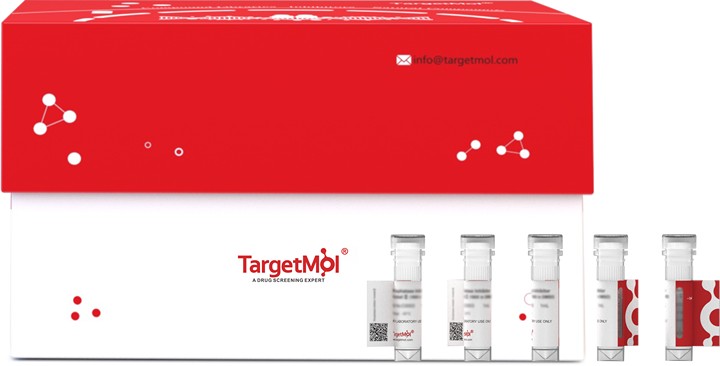

| Pack Size | Price | USA Stock | Global Stock | Quantity |
|---|---|---|---|---|
| 5 µg | $80 | 7-10 days | 7-10 days | |
| 10 µg | $129 | 7-10 days | 7-10 days | |
| 20 µg | $198 | 7-10 days | 7-10 days | |
| 50 µg | $390 | 7-10 days | 7-10 days | |
| 100 µg | $626 | 7-10 days | 7-10 days | |
| 200 µg | $987 | 7-10 days | 7-10 days | |
| 500 µg | $1,900 | 7-10 days | 7-10 days | |
| 1 mg | $2,730 | 7-10 days | 7-10 days |
| Bioactivity | Activity has not been tested. It is theoretically active, but we cannot guarantee it. If you require protein activity, we recommend choosing the eukaryotic expression version first. |
| Description | Neurturin is a member of the GDNF family of ligands, which include glial cell-derived neurotrophic factor (GDNF), Neurturin, Persephin, and Artemin. Neurturin is expressed in both neuronal and nonneuronal tissues. Similarly to other TGFβ family proteins, Neurturin is synthesized as a precursor protein that is cleaved at the dibasic cleavage site (RXXR) to release the carboxyterminal domain. The carboxy terminal domain of Neurturin contains the characteristic seven conserved cysteine residues necessary for the formation of the cysteine-knot and the single interchain disulfide bond. Biologically active human Neurturin is a disulfide-linked homodimer of the carboxy-terminal 102 amino acid residues. Unlike other members of TGF-β family, bioactivities of all GDNF family ligands are mediated through a unique multicomponent receptor complex composed of high affinity ligand binding component (GFRα-1-GFRα-4) and a common signaling component (cRET receptor tyrosine kinase). Each member of the GDNF family ligands has its preferred binding protein. Neurturin preferentially binds to GFRα-2 but can also bind GFRα-1 at higher concentrations. It may play a role in regulating the development and maintenance of the central and peripheral nervous systems and as well as non neuronal systems. |
| Species | Human |
| Expression System | E. coli |
| Tag | Tag Free |
| Accession Number | Q99748 |
| Amino Acid | Ala96-Val197 |
| Construction | Ala96-Val197 |
| Protein Purity | Greater than 95% as determined by reducing SDS-PAGE. (QC verified) |
| Endotoxin | < 0.1 ng/µg (1 EU/µg) as determined by LAL test. |
| Formulation | Lyophilized from a solution filtered through a 0.22 μm filter, containing 20 mM Citrate, 6% Sucrose, 4% Mannitol, 0.05% Tween 80, pH 4.0. |
| Reconstitution | Reconstitute the lyophilized protein in distilled water. The product concentration should not be less than 100 μg/ml. Before opening, centrifuge the tube to collect powder at the bottom. After adding the reconstitution buffer, avoid vortexing or pipetting for mixing. |
| Synonyms | NRTN, Neurturin |
| Research Background | Neurturin is a member of the GDNF family of ligands, which include glial cell-derived neurotrophic factor (GDNF), Neurturin, Persephin, and Artemin. Neurturin is expressed in both neuronal and nonneuronal tissues. Similarly to other TGFβ family proteins, Neurturin is synthesized as a precursor protein that is cleaved at the dibasic cleavage site (RXXR) to release the carboxyterminal domain. The carboxy terminal domain of Neurturin contains the characteristic seven conserved cysteine residues necessary for the formation of the cysteine-knot and the single interchain disulfide bond. Biologically active human Neurturin is a disulfide-linked homodimer of the carboxy-terminal 102 amino acid residues. Unlike other members of TGF-β family, bioactivities of all GDNF family ligands are mediated through a unique multicomponent receptor complex composed of high affinity ligand binding component (GFRα-1-GFRα-4) and a common signaling component (cRET receptor tyrosine kinase). Each member of the GDNF family ligands has its preferred binding protein. Neurturin preferentially binds to GFRα-2 but can also bind GFRα-1 at higher concentrations. It may play a role in regulating the development and maintenance of the central and peripheral nervous systems and as well as non neuronal systems. |
| Molecular Weight | 15 KDa (reducing condition) |
| Shipping | In general, lyophilized powders are shipped with blue ice, while solutions are shipped with dry ice. |
| Storage | Lyophilized powders can be stably stored for over 12 months, while liquid products can be stored for 6-12 months at -80°C. For reconstituted protein solutions, the solution can be stored at -20°C to -80°C for at least 3 months. Please avoid multiple freeze-thaw cycles and store products in aliquots. |
| Size | Quantity | Unit Price | Amount | Operation |
|---|
 Feedback
 Hello! How can I help you today?
Copyright © 2015-2026 TargetMol Chemicals Inc. All Rights Reserved.
