


Shopping Cart
Remove All Your shopping cart is currently empty

Synonyms: Siderocalin LCN2, p25, Oncogene 24p3, NGAL, MSFI, Lipocalin-2
Anti-Lipocalin-2/LCN2 Antibody
(7O248)
| Pack Size | Price | USA Stock | Global Stock | Quantity |
|---|---|---|---|---|
| 50 µL | $297 | 7-10 days | 7-10 days | |
| 100 µL | $428 | 7-10 days | 7-10 days |
| Description | Anti-Lipocalin-2/LCN2 Antibody (7O248) is a Mouse antibody targeting Lipocalin-2/LCN2. Anti-Lipocalin-2/LCN2 Antibody (7O248) can be used in ICC,IHC,WB. |
| Synonyms | Siderocalin LCN2, p25, Oncogene 24p3, NGAL, MSFI, Lipocalin-2 |
| Clone | 7O248 |
| Reactivity | Human |
| Verified Activity | 1. Immunohistochemical analysis of paraffin-embedded human spleen tissue using anti-NGAL Tubulin antibody. Counter stained with hematoxylin. 2. Immunohistochemical analysis of paraffin-embedded human stomach cancer tissue using anti-NGAL antibody. Counter stained with hematoxylin. 3. Immunohistochemical analysis of paraffin-embedded huamn liver tissue using anti-NGAL antibody. Counter stained with hematoxylin. 4. ICC staining NGAL in A431 cells (red). The nuclear counter stain is DAPI (blue). Cells were fixed in paraformaldehyde, permeabilised with 0.25% Triton X100/PBS. 5. ICC staining NGAL in NIH-3T3 cells (red). The nuclear counter stain is DAPI (blue). Cells were fixed in paraformaldehyde, permeabilised with 0.25% Triton X100/PBS. 6. ICC staining NGAL in SW480 cells (red). The nuclear counter stain is DAPI (blue).Cells were fixed in paraformaldehyde, permeabilised with 0.25% Triton X100/PBS. 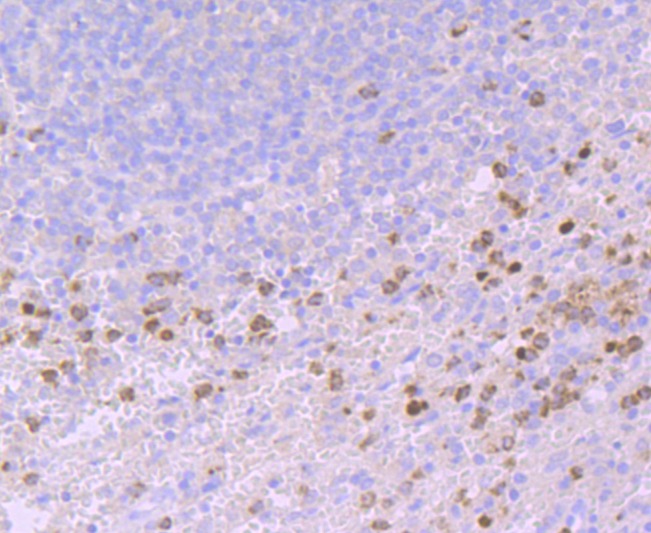 , ,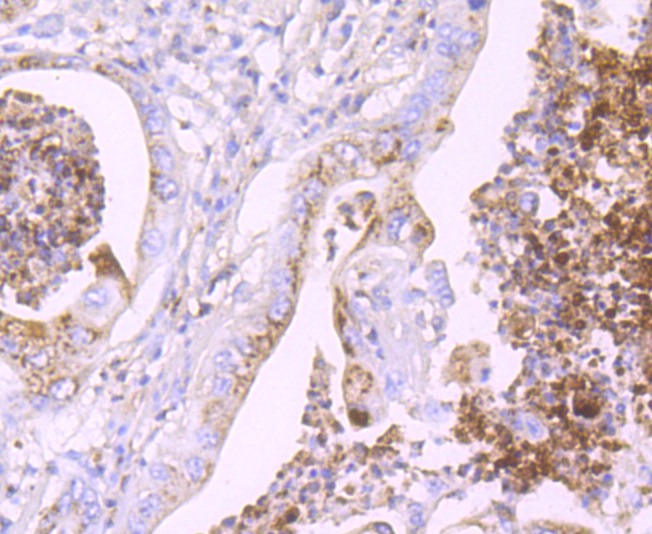 , ,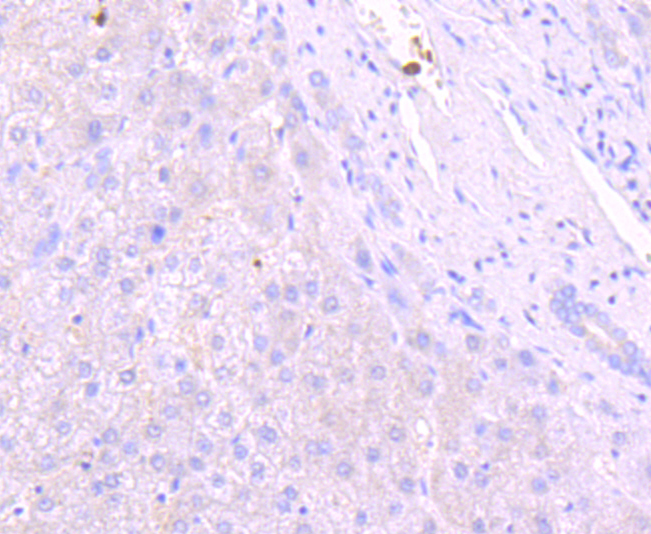 , ,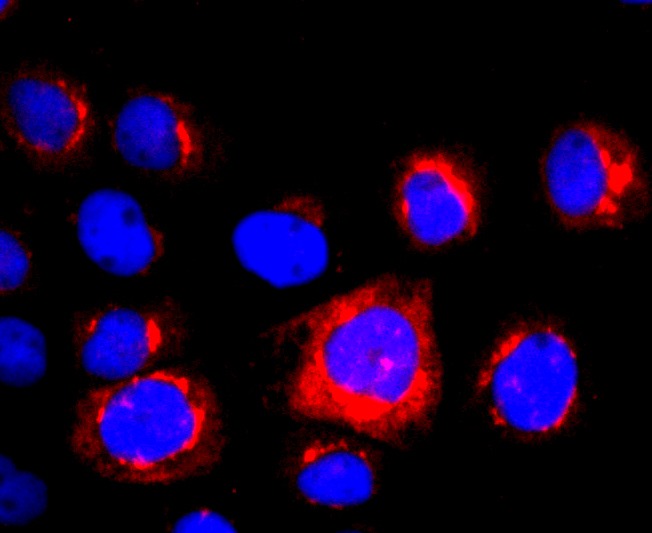 , ,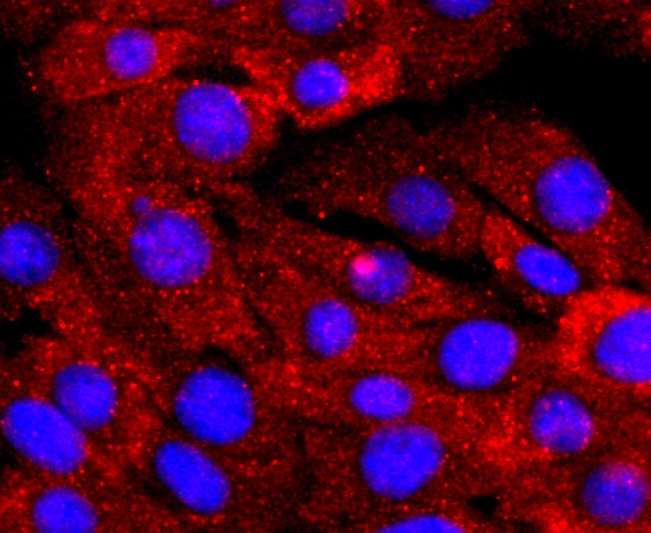 , ,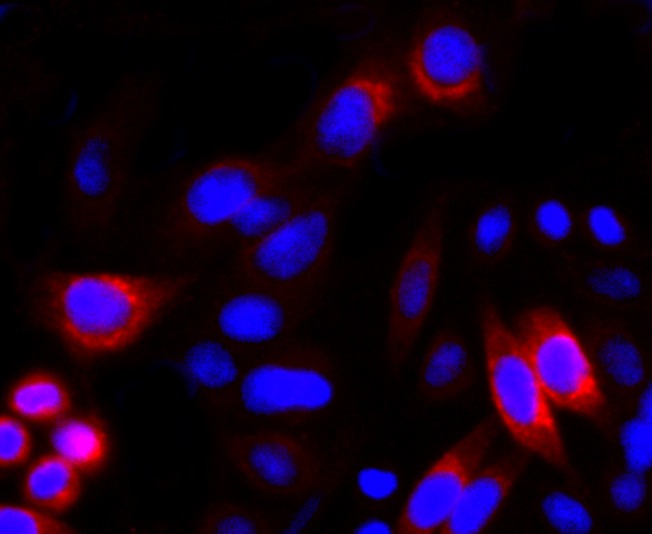 |
| Application | |
| Recommended Dose | WB: 1:1000; IHC: 1:50-200; ICC: 1:50-200 |
| Antibody Type | Monoclonal |
| Host Species | Mouse |
| Construction | Hybridoma Monoclonal Antibody |
| Appearance | Liquid |
| Formulation | 1*TBS (pH7.4), 1%BSA, 40%Glycerol. Preservative: 0.11% Sodium Azide. |
| Research Background | In addition to the monomeric mammalian progelatinase, two additional forms of progelatinase have been identified. The shorter of these additional forms is a covalently linked, disulfide-bridged protein that heterodimerizes with a short protein; an α2-Microglobulin-related protein known as neutrophil gelatinase-associated lipocalin (NGAL), which is moderately expressed in breast and lung tissues. NGAL belongs to the lipocalin family and has a high degree of similarity with rat α2-Microglobulin-related protein and mouse protein 24p3. NGAL is able to bind a derivative of the bacterial chemotactic peptide, suggesting that it has important immuno-modulatory functions. NGAL has been described as an inflammatory protein; it is released into the circulation as a result of the inflammatory activation of leukocytes initiated by the extra-corporeal circulation. In addition, NGAL synthesis is induced in epithelial cells in inflammatory and neoplastic colorectal diseases. In conclusion, NGAL may serve as a scavenger of bacterial products to function in the inflammatory process. |
| Conjucates | Unconjugated |
| Immunogen | Recombinant Protein |
| Uniprot ID |
| Molecular Weight | Theoretical: 22 kDa. |
| Stability & Storage | Store at -20°C or -80°C for 12 months. Avoid repeated freeze-thaw cycles. |
| Transport | Shipping with blue ice. |
| Size | Quantity | Unit Price | Amount | Operation |
|---|
 Feedback
 Hello! How can I help you today?
Copyright © 2015-2026 TargetMol Chemicals Inc. All Rights Reserved.
