


Shopping Cart
Remove All Your shopping cart is currently empty
Synonyms: SCOD1, SCO1, Protein SCO1 Homolog Mitochondrial
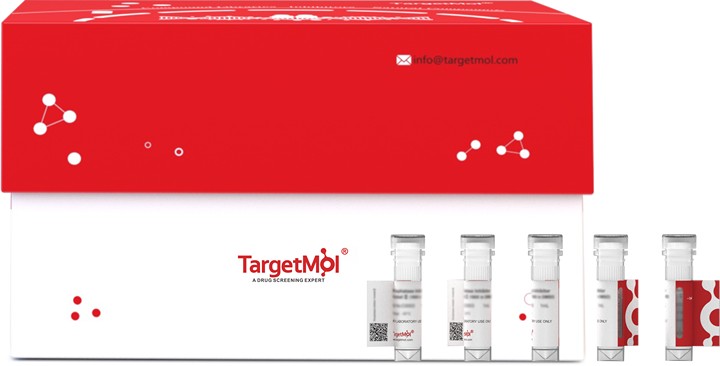
| Pack Size | Price | USA Stock | Global Stock | Quantity |
|---|---|---|---|---|
| 5 µg | $112 | 35 days | 35 days | |
| 10 µg | $183 | 35 days | 35 days | |
| 20 µg | $292 | 35 days | 35 days | |
| 50 µg | $545 | 35 days | 35 days | |
| 100 µg | $792 | 35 days | 35 days | |
| 200 µg | $1,150 | 35 days | 35 days | |
| 500 µg | $1,900 | 35 days | 35 days | |
| 1 mg | $2,730 | 35 days | 35 days |
| Bioactivity | Activity has not been tested. It is theoretically active, but we cannot guarantee it. If you require protein activity, we recommend choosing the eukaryotic expression version first. |
| Description | Protein SCO1 Homolog, Mitochondrial (SCO1) is a member of the SCO1/2 family. SCO1 has a homodimer structure. SCO1 is located in mitochondrion and is highly expressed in muscle, heart, and brain. It is characterized by high rates of Oxidative Phosphorylation (OxPhos). SCO1 is thought to play a important role in cellular copper homeostasis, mitochondrial redox signaling and insertion of copper into the active site of COX. The defects of SCO1 can result in Mitochondrial Complex IV Deficiency (MT-C4D). A disorder of the mitochondrial respiratory chain has heterogeneous clinical manifestations, ranging from isolated myopathy to severe multisystem disease affecting several tissues and organs. |
| Species | Human |
| Expression System | E. coli |
| Tag | N-GST |
| Accession Number | O75880 |
| Amino Acid | Gly132-Ser301 |
| Construction | Gly132-Ser301 |
| Protein Purity | Greater than 95% as determined by reducing SDS-PAGE. (QC verified) |
| Endotoxin | < 0.1 ng/µg (1 EU/µg) as determined by LAL test. |
| Formulation | Lyophilized from a solution filtered through a 0.22 μm filter, containing 50 mM PB, 1 mM DTT, pH 7.2. |
| Reconstitution | Reconstitute the lyophilized protein in distilled water. The product concentration should not be less than 100 μg/ml. Before opening, centrifuge the tube to collect powder at the bottom. After adding the reconstitution buffer, avoid vortexing or pipetting for mixing. |
| Synonyms | SCOD1, SCO1, Protein SCO1 Homolog Mitochondrial |
| Research Background | Protein SCO1 Homolog, Mitochondrial (SCO1) is a member of the SCO1/2 family. SCO1 has a homodimer structure. SCO1 is located in mitochondrion and is highly expressed in muscle, heart, and brain. It is characterized by high rates of Oxidative Phosphorylation (OxPhos). SCO1 is thought to play a important role in cellular copper homeostasis, mitochondrial redox signaling and insertion of copper into the active site of COX. The defects of SCO1 can result in Mitochondrial Complex IV Deficiency (MT-C4D). A disorder of the mitochondrial respiratory chain has heterogeneous clinical manifestations, ranging from isolated myopathy to severe multisystem disease affecting several tissues and organs. |
| Molecular Weight | 19 KDa (reducing condition) |
| Shipping | In general, lyophilized powders are shipped with blue ice, while solutions are shipped with dry ice. |
| Storage | Lyophilized powders can be stably stored for over 12 months, while liquid products can be stored for 6-12 months at -80°C. For reconstituted protein solutions, the solution can be stored at -20°C to -80°C for at least 3 months. Please avoid multiple freeze-thaw cycles and store products in aliquots. |
| Size | Quantity | Unit Price | Amount | Operation |
|---|
 Feedback
 Hello! How can I help you today?
Copyright © 2015-2026 TargetMol Chemicals Inc. All Rights Reserved.
