


Shopping Cart
Remove All Your shopping cart is currently empty
Synonyms: Transmembrane and associated with src kinases, Membrane glycoprotein gp140, CUB domain-containing protein 1, Cdcp1, CD318
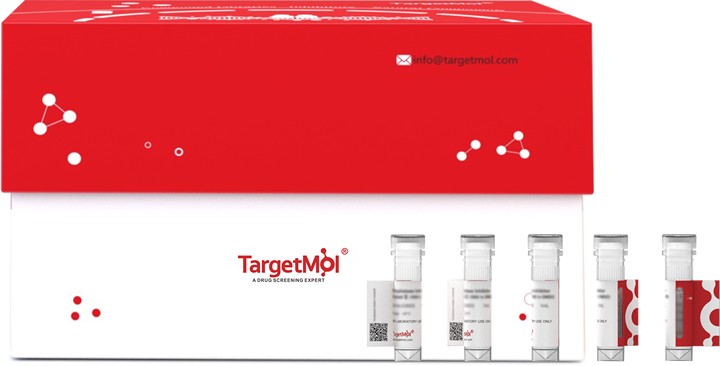

| Pack Size | Price | USA Stock | Global Stock | Quantity |
|---|---|---|---|---|
| 5 µg | $50 | 20 days | 20 days | |
| 10 µg | $79 | 20 days | 20 days | |
| 20 µg | $127 | 20 days | 20 days | |
| 50 µg | $213 | 20 days | 20 days | |
| 100 µg | $319 | 20 days | 20 days | |
| 200 µg | $558 | 20 days | 20 days | |
| 500 µg | $1,170 | 20 days | 20 days | |
| 1 mg | $2,080 | 20 days | 20 days |
| Bioactivity | Measured by its binding ability in a functional ELISA. Immobilized Mouse Cdcp1 at 2 μg/mL can bind Anti-CDCP1 recombinant antibody (CSB-RA884474MA1HU), the EC50 is 0.6397-0.8369 ng/ml. |
| Description | CDCP1 Protein, Mouse, Recombinant (Active, His) is expressed in HEK293 Cells with C-10xHis. The accession number is Q5U462. |
| Species | Mouse |
| Expression System | HEK293 Cells |
| Tag | C-10xHis |
| Accession Number | Q5U462 |
| Amino Acid | SEIALPQRSGVTVSIKLGNPALPVKICYIVMSRQHITELIIRPGERKSFTFSCSNPEKHFVLKIEKNIDCMSGPCPFGEVHLQPSTSELPILNRTFIWDVRAHKSIGLELQFATPRLRQIGPGESCADGVTHSISGHIDATEVRIGTFCSNGTVSRIKMQEGVKMALHLPWFHRRNVSGFSIANRSSIKRLCIIESVFEGEGSATLMSANYPGGFPEDELMTWQFVVPAHLRASVSFLNFNVSNCERKEERVEYYIPGSTTNPEVFRLEDKQPGNMAGNFNLSLQGCDQDAQSPGILRLQFQVLVQRPQDESNKTYMVDLSRERTMSLTIEPRPVKHGRRFVPGCFVCLESRTCSTNVTLTAGSIHKISFLCDDLTRLWVNVEKTLSCLDHRYCYRQSFKLQVPDYILQLPVQLHDFSWKLLVPKDKLSLMLVPGQKLQQHTQERPCNTSFGYHVTSTTPGQDLYFGSFCSGGSIEKIQVKQNSSVTLRAYAPSFQQEVSKQGLIVSYTPYFKEEGIFTVTPDTKNKVYLRSPNWDRGLPALSSVSWNISVPSNQVACLTVLKERSGLACQSGRAFMIIQEQQSRAEEIFSLEEEVLPKPSFHHHSFWVNISNCSPMNGKQLDLLFWVTLTPRTVDL |
| Construction | 30-666 aa |
| Protein Purity | >95% as determined by SDS-PAGE. |
| Endotoxin | < 1.0 EU/μg of the protein as determined by the LAL method. |
| Formulation | Lyophilized from a 0.2 μm filtered 20 mM Tris-HCl, 0.5 M NaCl, 6% Trehalose, pH 8.0 |
| Reconstitution | Reconstitute the lyophilized protein in sterile deionized water. The product concentration should not be less than 100 μg/ml. Before opening, centrifuge the tube to collect powder at the bottom. After adding the reconstitution buffer, avoid vortexing or pipetting for mixing. |
| Synonyms | Transmembrane and associated with src kinases, Membrane glycoprotein gp140, CUB domain-containing protein 1, Cdcp1, CD318 |
| Molecular Weight | 73.2 kDa (Predicted) |
| Shipping | In general, lyophilized powders are shipped with blue ice, while solutions are shipped with dry ice. |
| Storage | Lyophilized powders can be stably stored for over 12 months, while liquid products can be stored for 6-12 months at -80°C. For reconstituted protein solutions, the solution can be stored at -20°C to -80°C for at least 3 months. Please avoid multiple freeze-thaw cycles and store products in aliquots. |
| Size | Quantity | Unit Price | Amount | Operation |
|---|
 Feedback
 Hello! How can I help you today?
Copyright © 2015-2026 TargetMol Chemicals Inc. All Rights Reserved.
