


Shopping Cart
Remove All Your shopping cart is currently empty

Synonyms:
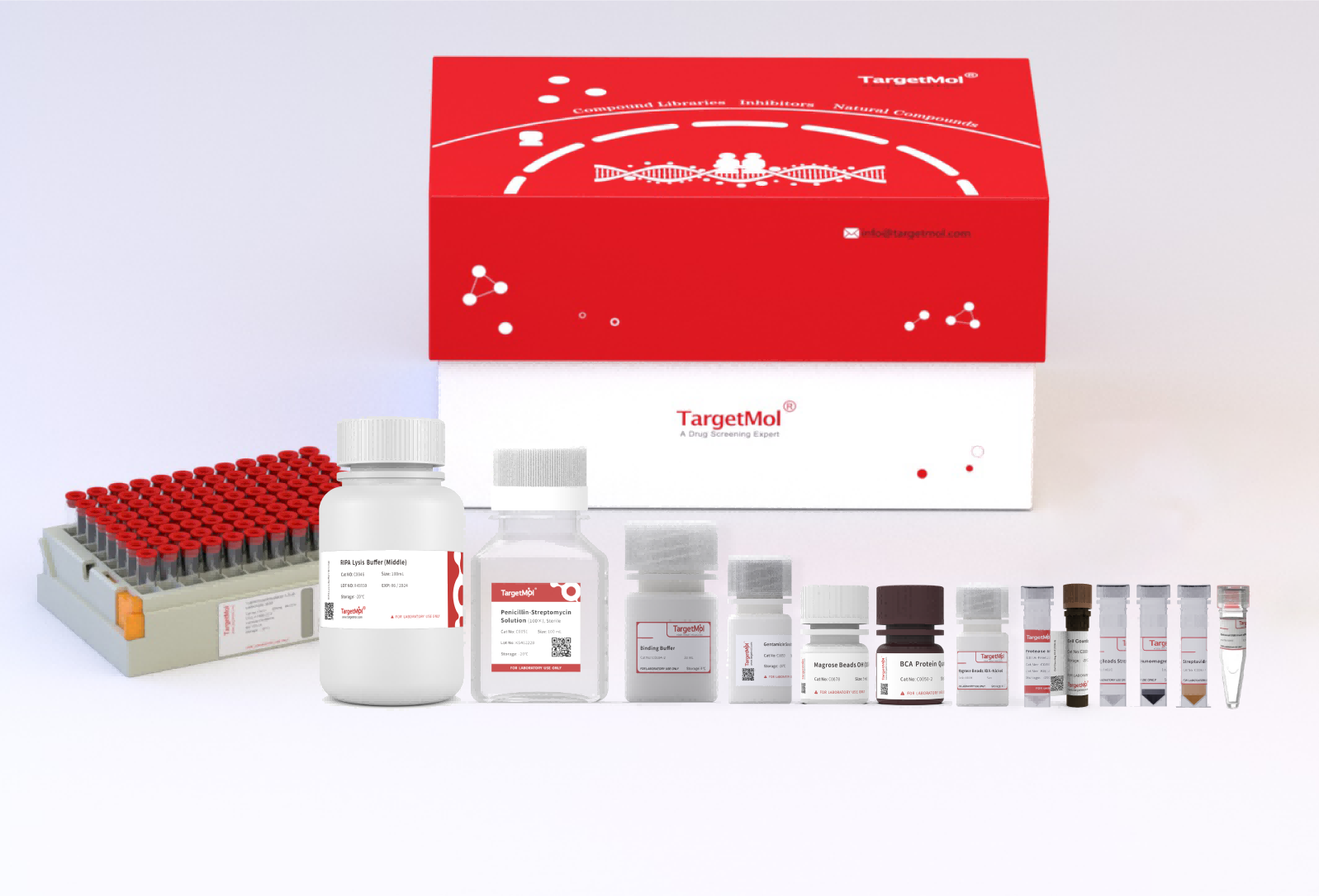
| Pack Size | Price | USA Stock | Global Stock | Quantity |
|---|---|---|---|---|
| 50 T | $135 | 7-10 days | 7-10 days |
 Detection Principle
Glucose oxidase catalyzes the oxidation of glucose to gluconic acid, producing hydrogen peroxide. Peroxidase then catalyzes the oxidation of 4-aminoantipyrine coupled with phenol by hydrogen peroxide to form a colored compound, which has a characteristic absorption peak at 505 nm. The absorbance intensity is directly proportional to the original glucose concentration.
PackingTaking 50T/48S packing for example:
| Components | Packing | Storage |
|---|---|---|
| CB0082S-A | Glucose Solution (2 μmol/mL), 10 mL per vial | 4 ℃ |
| CB0082S-B | Liquid, 25 mL per vial | 4 ℃ |
| CB0082S-C | Liquid, 25 mL per vial | 4 ℃ |
| Before use, mix CB0082S-B and CB0082S-C at a 1:1 ratio (equal volumes). Prepare only the amount required for immediate use. | ||
Before the formal assay, be sure to select 2–3 samples with relatively large expected differences for a preliminary test.
InstructionsI.Required Materials (to be prepared by the user)
Visible spectrophotometer, 1 mL glass cuvette, water bath, analytical balance, centrifuge, adjustable micropipettes, distilled water.
II.Glucose Extraction
1. Tissue samples
Homogenize the tissue with distilled water at a ratio of tissue weight (g) : distilled water volume (mL) = 1 : 5–10
(recommended: weigh ~0.1 g tissue and add 1 mL distilled water).
Boil the homogenate in a boiling water bath for 10 minutes (cap tightly to prevent water loss).
After cooling, centrifuge at 8000 × g for 10 minutes at room temperature.
Collect the supernatant for analysis.
2. Bacterial or cell samples
Collect bacteria or cells into centrifuge tubes and centrifuge; discard the supernatant.
Add distilled water according to the ratio of bacterial or cell number (10⁴ cells) : distilled water volume (mL) = 500~1000 : 1 (recommended: add 1 mL distilled water to 5 × 10⁶ bacteria or cells).
Disrupt bacteria or cells by ultrasonication (ice bath, 20% power or 200 W; sonicate for 3 s with 10 s intervals, repeat 30 times).
Boil in a boiling water bath for 10 minutes (cap tightly to prevent water loss).
After cooling, centrifuge at 8000 × g for 10 minutes at 25 °C.
Collect the supernatant for analysis.
3. Serum (plasma): Measure directly.
III.Assay Procedure:
1.Preheat the spectrophotometer for at least 30 minutes, set the wavelength to 505 nm, and zero with distilled water.
2.Preparation of working solution: Mix equal volumes of CB0082S-B and CB0082S-C before use; prepare only the amount needed.
3.Add the following reagents into a 1.5 mL centrifuge tube:
| Blank Tube(μL) | Control Tube(μL) | Sample Tube(μL) | |
|---|---|---|---|
| Sample | 100 | ||
| CB0082S-A | 100 | ||
| Distilled Water | 100 | ||
| Working Solution | 900 | 900 | 900 |
| Mix well and incubate in a water bath at 37 °C (for mammals) or 25 °C (for other species) for 15 minutes. Measure the absorbance A at 505 nm. Record the absorbance of the blank, standard, and test tubes as A1, A2, and A3, respectively.
Note: Only one tube is needed for the blank and the standard. |
|||
IV.Calculation of Glucose / Blood Glucose Content:
1.Based on sample protein concentration
Glucose content (μmol/mg protein)== (Cstd×V1)×(A3-A1)÷(A2-A1)÷(V1×Cpr)=2×(A3-A1)÷(A2-A1)÷Cpr
2.Based on sample mass
Glucose content (μmol/g fresh weight)= (Cstd×V1)×(A3-A1)÷(A2-A1)÷(W×V1÷V2)=2×(A3-A1)÷(A2-A1)÷W
3.Based on bacterial or cell density
Glucose content (μmol/10⁴ cells)=(Cstd×V1)×(A3-A1)÷(A2-A1)÷(500×V1÷V2) = 0.004×(A3-A1)÷(A2-A1)
4.Blood glucose content
Blood glucose (μmol/mL)=Cstd×(A3-A1)÷(A2-A1) = 2×(A3-A1)÷(A2-A1)
Note:
Cstd:2µmol/mL;
V1:Volume of sample added, 100µL=0.1mL;
V2:Volume of the sample extraction,1mL;
Cpr:Protein concentration,mg/mL;
W:Sample weight,g;
500:total number of cells or bacteria, (5 × 10⁶)
Precautions1.The product is for R&D use only, not for diagnostic procedures, food, drug, household or other uses.
2.Please wear a lab coat and disposable gloves.
| Size | Quantity | Unit Price | Amount | Operation |
|---|
 Feedback
 Hello! How can I help you today?
Copyright © 2015-2026 TargetMol Chemicals Inc. All Rights Reserved.
