


Shopping Cart
Remove All Your shopping cart is currently empty
Synonyms: JS-1, carboxymethylenebutenolidase homolog (Pseudomonas)
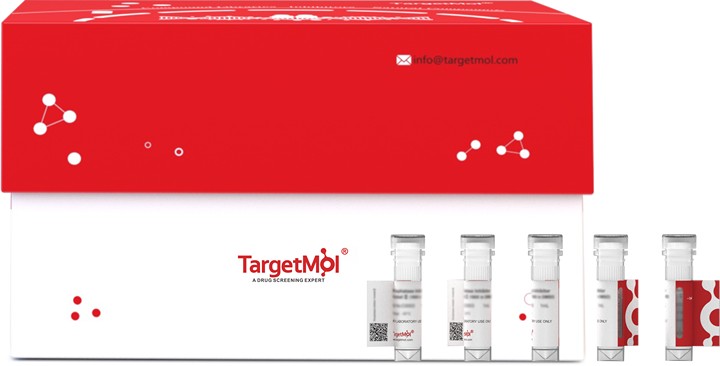

| Pack Size | Price | USA Stock | Global Stock | Quantity |
|---|---|---|---|---|
| 5 µg | $79 | 7-10 days | 7-10 days | |
| 10 µg | $129 | 7-10 days | 7-10 days | |
| 20 µg | $208 | 7-10 days | 7-10 days | |
| 50 µg | $419 | 7-10 days | 7-10 days | |
| 100 µg | $812 | 7-10 days | 7-10 days |
| Bioactivity | Activity testing is in progress. It is theoretically active, but we cannot guarantee it. If you require protein activity, we recommend choosing the eukaryotic expression version first. |
| Description | Carboxymethylenebutenolidase (CMBL), also known as 4-carboxymethylenebut-2-en-4-olide lactonohydrolase, maleylacetate enol- lactonase, dienelactone hydrolase, and carboxymethylene butenolide hydrolase, is a hydrolase specially belonging to the family of hydrolases. It maily acts on carboxylic ester bonds. CMBL is a human homolog of Pseudomonas dienelactone hydrolase involved in the bacterial halocatechol degradation pathway. The ubiquitous expression of human CMBL gene transcript in various tissues was observed. CMBL was demonstrated to be the primary olmesartan medoxomil (OM) bioactivating enzyme in the liver and intestine. The recombinant human CMBL expressed in mammalian cells was clearly shown to activate OM. The recombinant CMBL also converted other prodrugs having the same ester structure as OM, faropenem medoxomil and lenampicillin, to their active metabolites. CMBL exhibited a unique sensitivity to chemical inhibitors, thus, being distinguishable from other known esterases. |
| Species | Human |
| Expression System | E. coli |
| Tag | N-His |
| Accession Number | Q96DG6 |
| Construction | A DNA sequence encoding the human CMBL (Q96DG6) (Met 1-Met 245) was expressed, with a N-terminal polyhistidine tag. Predicted N terminal: Met |
| Protein Purity | > 97 % as determined by SDS-PAGE |
| Endotoxin | Please contact us for more information. |
| Formulation | Lyophilized from a solution filtered through a 0.22 μm filter, containing 20 mM Tris, 0.1% Brij35, pH 8.0.Typically, a mixture containing 5% to 8% trehalose, mannitol, and 0.01% Tween 80 is incorporated as a protective agent before lyophilization. |
| Reconstitution | A Certificate of Analysis (CoA) containing reconstitution instructions is included with the products. Please refer to the CoA for detailed information. |
| Synonyms | JS-1, carboxymethylenebutenolidase homolog (Pseudomonas) |
| Research Background | Carboxymethylenebutenolidase (CMBL), also known as 4-carboxymethylenebut-2-en-4-olide lactonohydrolase, maleylacetate enol- lactonase, dienelactone hydrolase, and carboxymethylene butenolide hydrolase, is a hydrolase specially belonging to the family of hydrolases. It maily acts on carboxylic ester bonds. CMBL is a human homolog of Pseudomonas dienelactone hydrolase involved in the bacterial halocatechol degradation pathway. The ubiquitous expression of human CMBL gene transcript in various tissues was observed. CMBL was demonstrated to be the primary olmesartan medoxomil (OM) bioactivating enzyme in the liver and intestine. The recombinant human CMBL expressed in mammalian cells was clearly shown to activate OM. The recombinant CMBL also converted other prodrugs having the same ester structure as OM, faropenem medoxomil and lenampicillin, to their active metabolites. CMBL exhibited a unique sensitivity to chemical inhibitors, thus, being distinguishable from other known esterases. |
| Molecular Weight | 30 kDa (predicted); 28 kDa (reducing conditions) |
| Shipping | In general, lyophilized powders are shipped with blue ice, while solutions are shipped with dry ice. |
| Storage | It is recommended to store recombinant proteins at -20°C to -80°C for future use. Lyophilized powders can be stably stored for over 12 months, while liquid products can be stored for 6-12 months at -80°C. For reconstituted protein solutions, the solution can be stored at -20°C to -80°C for at least 3 months. Please avoid multiple freeze-thaw cycles and store products in aliquots. |
| Size | Quantity | Unit Price | Amount | Operation |
|---|
 Feedback
 Hello! How can I help you today?
Copyright © 2015-2026 TargetMol Chemicals Inc. All Rights Reserved.
