


Shopping Cart
Remove All Your shopping cart is currently empty

Synonyms: Protein kinase C zeta, Protein kinase C gamma, Protein kinase C epsilon, Protein kinase C delta, Protein kinase C beta, Protein kinase C alpha, Protein kinase C, PRKCZ, PRKCG, PRKCE, PRKCD, PRKCB2, PRKCB1, PRKCB, PRKCA (p-Thr638), PRKCA (p-T638), PRKCA, p-PRKCA (Thr638), p-PRKCA (T638), PKCG, PKCE, PKCD, PKCB, PKC-alpha, PKC-A, PKCA, PKC2, PKC zeta, PKC gamma, PKC epsilon, PKC delta, PKC beta, PKC alpha, Phospho-PRKCA (T638), KPCA_HUMAN
Anti-Phospho-PRKCA
(Thr638) Antibody
(1C677)
| Pack Size | Price | USA Stock | Global Stock | Quantity |
|---|---|---|---|---|
| 50 µL | $297 | 7-10 days | 7-10 days | |
| 100 µL | $497 | 7-10 days | 7-10 days |
| Description | Anti-Phospho-PRKCA (Thr638) Antibody (1C677) is a Rabbit antibody targeting Phospho-PRKCA (Thr638). Anti-Phospho-PRKCA (Thr638) Antibody (1C677) can be used in ICC/IF,IHC,IP,WB. |
| Synonyms | Protein kinase C zeta, Protein kinase C gamma, Protein kinase C epsilon, Protein kinase C delta, Protein kinase C beta, Protein kinase C alpha, Protein kinase C, PRKCZ, PRKCG, PRKCE, PRKCD, PRKCB2, PRKCB1, PRKCB, PRKCA (p-Thr638), PRKCA (p-T638), PRKCA, p-PRKCA (Thr638), p-PRKCA (T638), PKCG, PKCE, PKCD, PKCB, PKC-alpha, PKC-A, PKCA, PKC2, PKC zeta, PKC gamma, PKC epsilon, PKC delta, PKC beta, PKC alpha, Phospho-PRKCA (T638), KPCA_HUMAN |
| Ig Type | IgG |
| Clone | 1C677 |
| Reactivity | Human,Mouse,Rat |
| Verified Activity | 1. Western blot analysis of Phospho-PKC alpha (T638) on different lysates using anti-Phospho-PKC alpha (T638) antibody at 1/1,000 dilution. Positive control: Lane 1: Hela, Lane 2: 293. 2. Immunohistochemical analysis of paraffin-embedded human breast carcinoma tissue using anti-Phospho-PKC alpha (T638) antibody. Counter stained with hematoxylin. 3. Immunohistochemical analysis of paraffin-embedded rat brain tissue using anti-Phospho-PKC alpha (T638) antibody. Counter stained with hematoxylin. 4. Immunohistochemical analysis of paraffin-embedded mouse brain tissue using anti-Phospho-PKC alpha (T638) antibody. Counter stained with hematoxylin. 5. ICC staining Phospho-PKC alpha (T638) in Hela cells (green). The nuclear counter stain is DAPI (blue). Cells were fixed in paraformaldehyde, permeabilised with 0.25% Triton X100/PBS. 6. ICC staining Phospho-PKC alpha (T638) in MCF-7 cells (green). The nuclear counter stain is DAPI (blue). Cells were fixed in paraformaldehyde, permeabilised with 0.25% Triton X100/PBS. 7. ICC staining Phospho-PKC alpha (T638) in SH-SY-5Y cells (green). The nuclear counter stain is DAPI (blue). Cells were fixed in paraformaldehyde, permeabilised with 0.25% Triton X100/PBS. 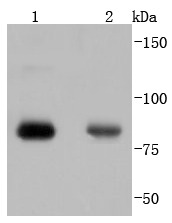 , ,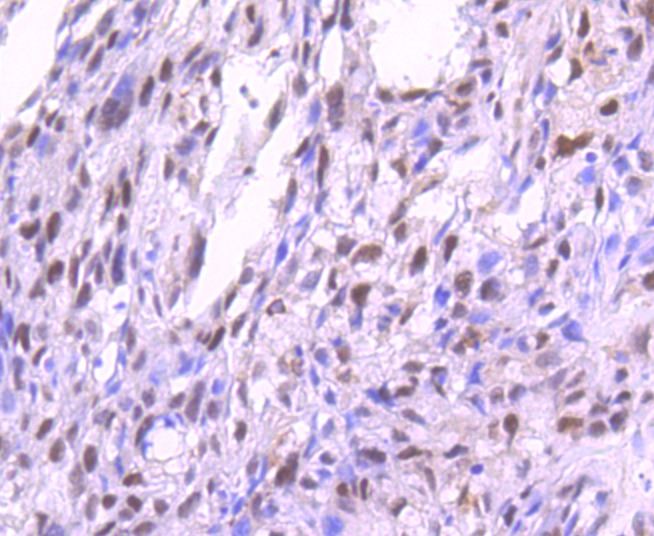 , ,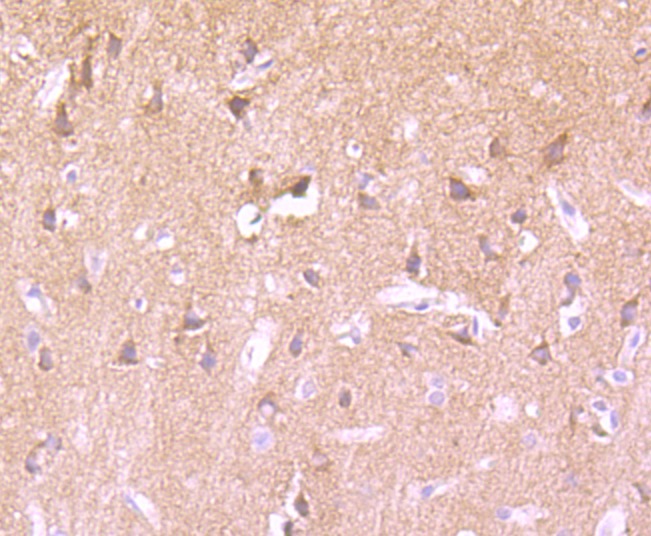 , ,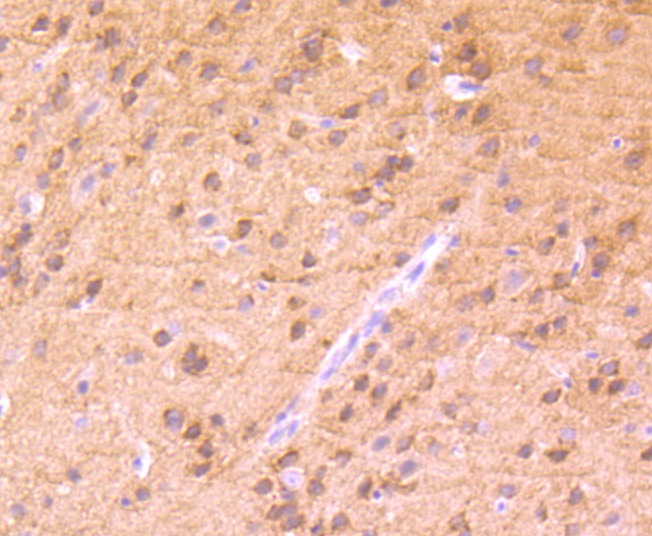 , ,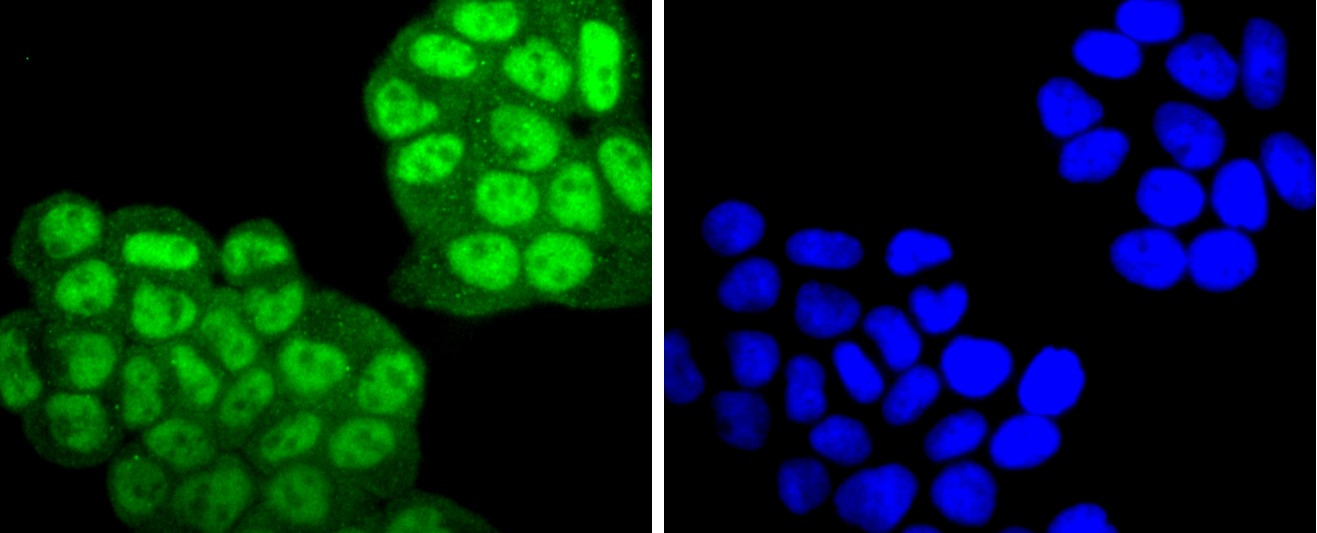 , ,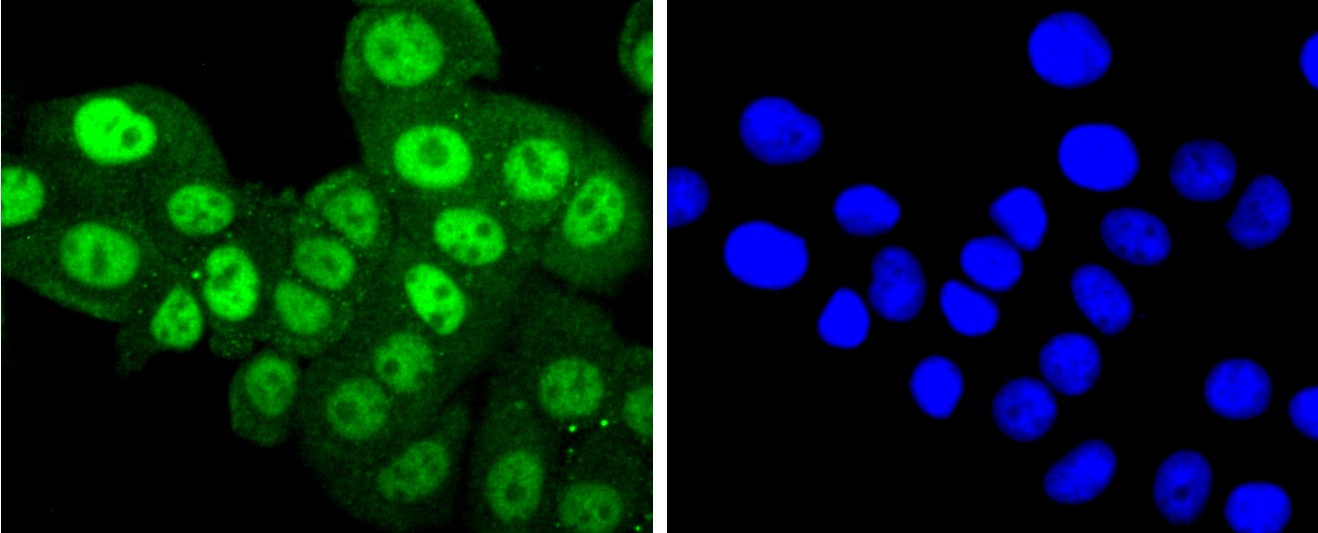 , ,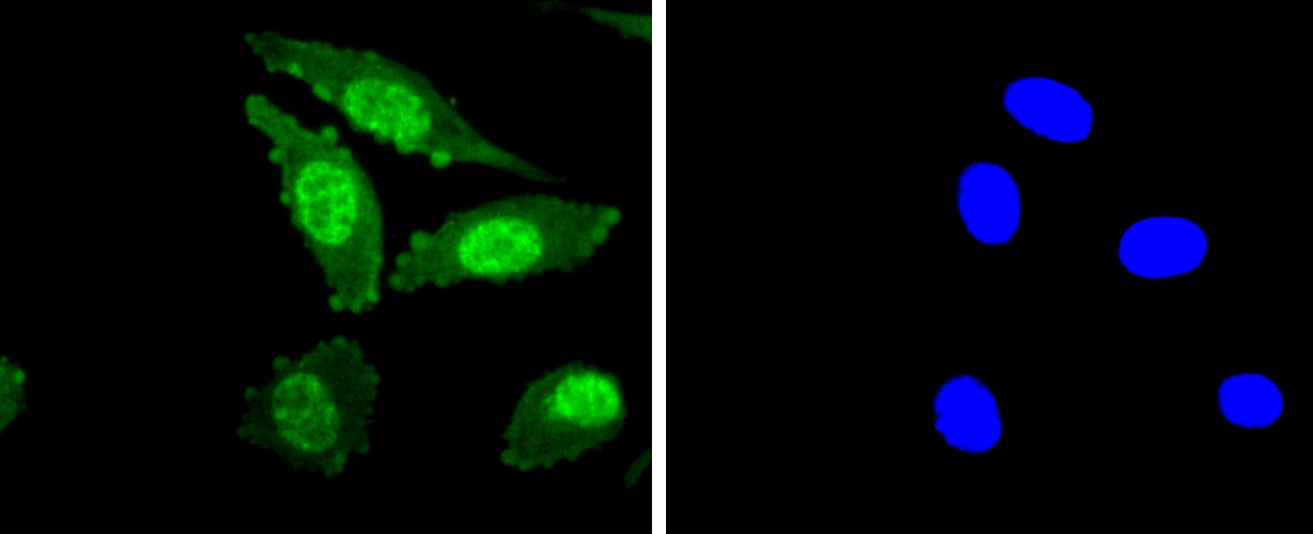 |
| Application | |
| Recommended Dose | WB: 1:1000-5000; IHC: 1:50-500; ICC/IF: 1:50-500 |
| Antibody Type | Monoclonal |
| Host Species | Rabbit |
| Construction | Recombinant Antibody |
| Purification | ProA affinity purified |
| Appearance | Liquid |
| Formulation | 1*TBS (pH7.4), 1%BSA, 40%Glycerol. Preservative: 0.05% Sodium Azide. |
| Research Background | Members of the protein kinase C (PKC) family play a key regulatory role in a variety of cellular functions including cell growth and differentiation, gene expression, hormone secretion and membrane function. PKCs were originally identified as serine/threonine protein kinases whose activity was dependent on calcium and phospholipids. Diacylglycerols (DAG) and tumor-promoting phorbol esters bind to and activate PKC. PKCs can be subdivided into many different isoforms (α, βI, βII, γ, δ, ε, ζ, η, θ, λ/ι, μ and ν). Patterns of expression for each PKC isoform differ among tissues and PKC family members exhibit clear differences in their cofactor dependencies. For instance, the kinase activities of PKC δ and ε are independent of Ca2+. On the other hand, most of the other PKC members possess phorbol ester-binding activities and kinase activities. |
| Conjucates | Unconjugated |
| Others Formats | Phospho |
| Immunogen | A synthesized phosphopeptide: human PKC alpha around the phosphorylation site of Thr638 |
| Antigen Species | Human |
| Uniprot ID |
| Molecular Weight | Theoretical: 77 kDa. |
| Stability & Storage | Store at -20°C or -80°C for 12 months. Avoid repeated freeze-thaw cycles. |
| Transport | Shipping with blue ice. |
| Size | Quantity | Unit Price | Amount | Operation |
|---|
 Feedback
 Hello! How can I help you today?
Copyright © 2015-2026 TargetMol Chemicals Inc. All Rights Reserved.
