


Shopping Cart
Remove All Your shopping cart is currently empty

Synonyms:
| Pack Size | Price | USA Stock | Global Stock | Quantity |
|---|---|---|---|---|
| 50 µL | $298 | 7-10 days | 7-10 days | |
| 100 µL | $470 | 7-10 days | 7-10 days |
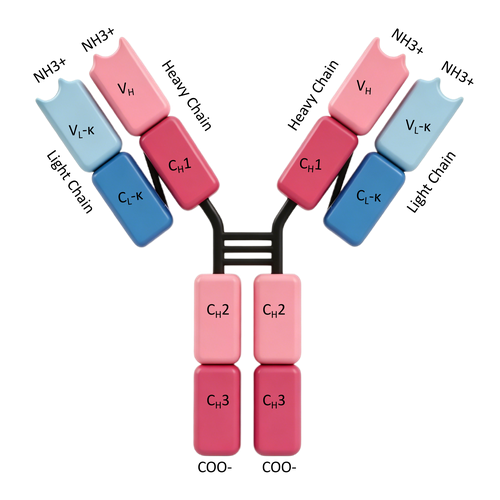
| Description | Anti-Mono-methyl-Histone H3 (Lys27) Antibody (8G279) is a Mouse antibody targeting Mono-methyl-Histone H3 (Lys27). Anti-Mono-methyl-Histone H3 (Lys27) Antibody (8G279) can be used in WB,ICC/IF. |
| Ig Type | IgG2a, Kappa |
| Clone | 8G279 |
| Reactivity | Human (predicted:Mouse,Rat) |
| Verified Activity | 1. Cell line: HeLa Fixative: 4% Paraformaldehyde Permeabilization: 0.1% TritonX-100 Primary ab dilution: 1:100 Primary incubation condition: 1 hours at room temperature Secondary ab: Goat Anti-Mouse IgG Nuclear counter stain: DAPI (Blue) Counter stain: Tubulin (Red) Comment: Color green is the positive signal for TMAB-08925 2. Blocking buffer: 5% NFDM/TBST Primary ab dilution: 1: 2000 Primary ab incubation condition: 2 hours at room temperature Secondary ab: Goat Anti-Mouse IgG H&L (HRP) Lysate: HeLa, N2a, BRL, Mouse spleen, Mouse kidney Protein loading quantity: 20 μg Exposure time: 30 s Predicted MW: 15 kDa Observed MW: 15 kDa |
| Application | |
| Recommended Dose | WB: 1:500-2000; ICC/IF: 1:50-100 |
| Antibody Type | Monoclonal |
| Host Species | Mouse |
| Subcellular Localization | Nucleus. Chromosome. Note=Localizes to both the large, transcriptionally active, somatic macronucleus (MAC) and the small, transcriptionally inert, germ line micronucleus (MIC). |
| Tissue Specificity | Expressed in testicular cells.Expressed during S phase, then expression strongly decreases as cell division slows down during the process of differentiation. |
| Construction | Hybridoma Monoclonal Antibody |
| Purification | Protein G purified |
| Appearance | Liquid |
| Formulation | 0.01M TBS (pH7.4) with 1% BSA, 0.02% Proclin300 and 50% Glycerol. |
| Concentration | 1mg/ml |
| Research Background | Modulation of the chromatin structure plays an important role in the regulation of transcription in eukaryotes. The nucleosome, made up of four core histone proteins (H2A, H2B, H3 and H4), is the primary building block of chromatin. The N-terminal tail of core histones undergoes different posttranslational modifications including acetylation, phosphorylation and methylation. These modifications occur in response to cell signal stimuli and have a direct effect on gene expression. In most species, the histone H2B is primarily acetylated at lysines 5, 12, 15 and 20. Histone H3 is primarily acetylated at lysines 9, 14, 18 and 23. Acetylation at lysine 9 appears to have a dominant role in histone deposition and chromatin assembly in some organisms. Phosphorylation at Ser10 of histone H3 is tightly correlated with chromosome condensation during both mitosis and meiosis. |
| Gene Name | H3C1 |
| Gene ID | |
| Protein Name | Histone H3.1 |
| Function | Core component of nucleosome. Nucleosomes wrap and compact DNA into chromatin, limiting DNA accessibility to the cellular machineries which require DNA as a template. Histones thereby play a central role in transcription regulation, DNA repair, DNA replication and chromosomal stability. DNA accessibility is regulated via a complex set of post-translational modifications of histones, also called histone code, and nucleosome remodeling. H3 is deposited into chromatin exclusively through a DNA replication-coupled pathway that can be associated with either DNA duplication or DNA repair synthesis during meiotic homologous recombination. |
| Stability & Storage | Store at 2°C-8°C for 1 month. Store at -20°C or -80°C for 12 months. Avoid repeated freeze-thaw cycles. |
| Transport | Shipping with blue ice. |
| Size | Quantity | Unit Price | Amount | Operation |
|---|
 Feedback
 Hello! How can I help you today?
Copyright © 2015-2026 TargetMol Chemicals Inc. All Rights Reserved.
