


Shopping Cart
Remove All Your shopping cart is currently empty

Synonyms: γ-trace, Post-γ-globulin, Post-gamma-globulin, Neuroendocrine basic polypeptide, Gamma-trace, Cystatin-C, Cystatin-3, CST3
Anti-CST3 Antibody
(6K312)
| Pack Size | Price | USA Stock | Global Stock | Quantity |
|---|---|---|---|---|
| 50 µL | $297 | 7-10 days | 7-10 days | |
| 100 µL | $496 | 7-10 days | 7-10 days |
| Description | Anti-CST3 Antibody (6K312) is a Rabbit antibody targeting CST3. Anti-CST3 Antibody (6K312) can be used in IHC,WB. |
| Synonyms | γ-trace, Post-γ-globulin, Post-gamma-globulin, Neuroendocrine basic polypeptide, Gamma-trace, Cystatin-C, Cystatin-3, CST3 |
| Ig Type | IgG |
| Clone | 6K312 |
| Reactivity | Human,Mouse,Rat |
| Verified Activity | 1. Western blot analysis of Cystatin C on different lysates using anti-Cystatin C antibody at 1/1,000 dilution. Positive control: Lane 1: Hela, Lane 2: Mouse spleen. 2. Immunohistochemical analysis of paraffin-embedded human liver cancer tissue using anti-Cystatin C antibody. Counter stained with hematoxylin. 3. Immunohistochemical analysis of paraffin-embedded human kidney tissue using anti-Cystatin C antibody. Counter stained with hematoxylin. 4. Immunohistochemical analysis of paraffin-embedded mouse brain tissue using anti-Cystatin C antibody. Counter stained with hematoxylin. 5. Immunohistochemical analysis of paraffin-embedded mouse placenta tissue using anti-Cystatin C antibody. Counter stained with hematoxylin. 6. Immunohistochemical analysis of paraffin-embedded mouse kidney tissue using anti-Cystatin C antibody. Counter stained with hematoxylin. 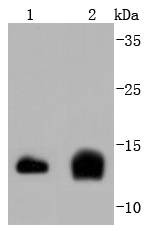 , ,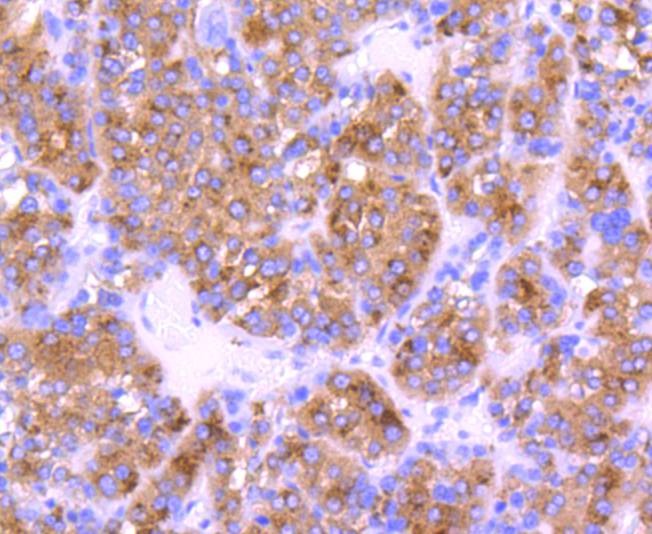 , ,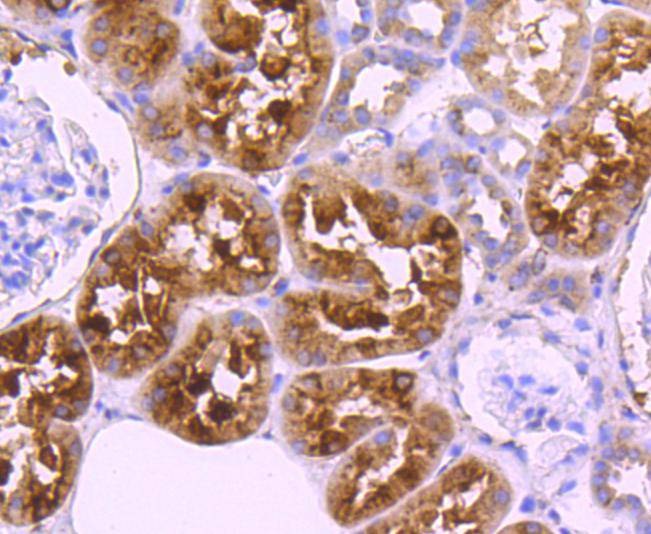 , ,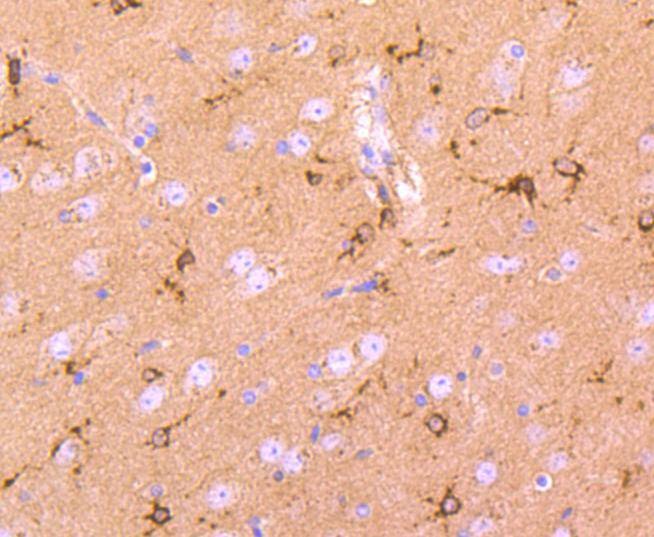 , ,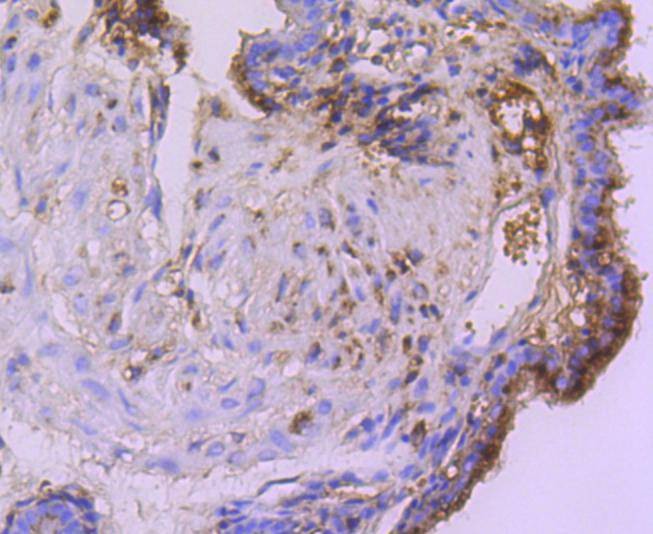 , ,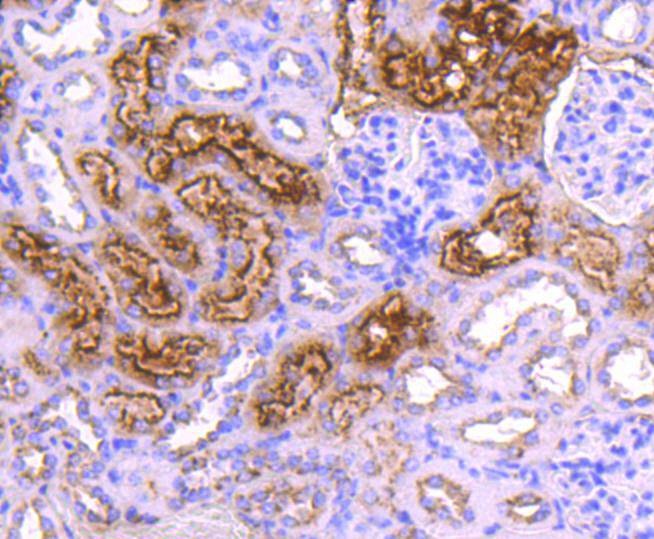 |
| Application | |
| Recommended Dose | WB: 1:1000-2000; IHC: 1:50-200 |
| Antibody Type | Monoclonal |
| Host Species | Rabbit |
| Construction | Recombinant Antibody |
| Purification | ProA affinity purified |
| Appearance | Liquid |
| Formulation | 1*TBS (pH7.4), 1%BSA, 40%Glycerol. Preservative: 0.05% Sodium Azide. |
| Research Background | Cystatin C is a cysteine (thiol) protease inhibitor that belongs to the type II cystatin gene superfamily and is the most abundant extracellular inhibitor of cysteine proteases. Cystatin C is a constitutively secreted, amyloidogenic protein, which forms a two-fold symmetric dimer and modulates both cysteine protease activity and the expression of class II MHC molecules. Expression of cystatin C is an indicator of kidney function and glomerular filtration rate. Mutations in the cystatin C gene can lead to protein aggregates, which are implicated in hereditary amyloid angiopathy (HCCAA) and cerebral hemorrhage. Although both wild-type and mutant cystatin C are capable of forming concentration dependent inactive dimers, mutant cystatin C dimerizes at lower concentrations and is more susceptible to serine proteases, which may facilitate aggregation. In neuronal cells, oxidative stress stimulates expression of cystatin C, which may positively regulate apoptosis. |
| Conjucates | Unconjugated |
| Immunogen | Recombinant Protein |
| Uniprot ID |
| Molecular Weight | Theoretical: 16 kDa. |
| Stability & Storage | Store at -20°C or -80°C for 12 months. Avoid repeated freeze-thaw cycles. |
| Transport | Shipping with blue ice. |
| Size | Quantity | Unit Price | Amount | Operation |
|---|
 Feedback
 Hello! How can I help you today?
Copyright © 2015-2026 TargetMol Chemicals Inc. All Rights Reserved.
