


Shopping Cart
Remove All Your shopping cart is currently empty

Catalog No. L9920
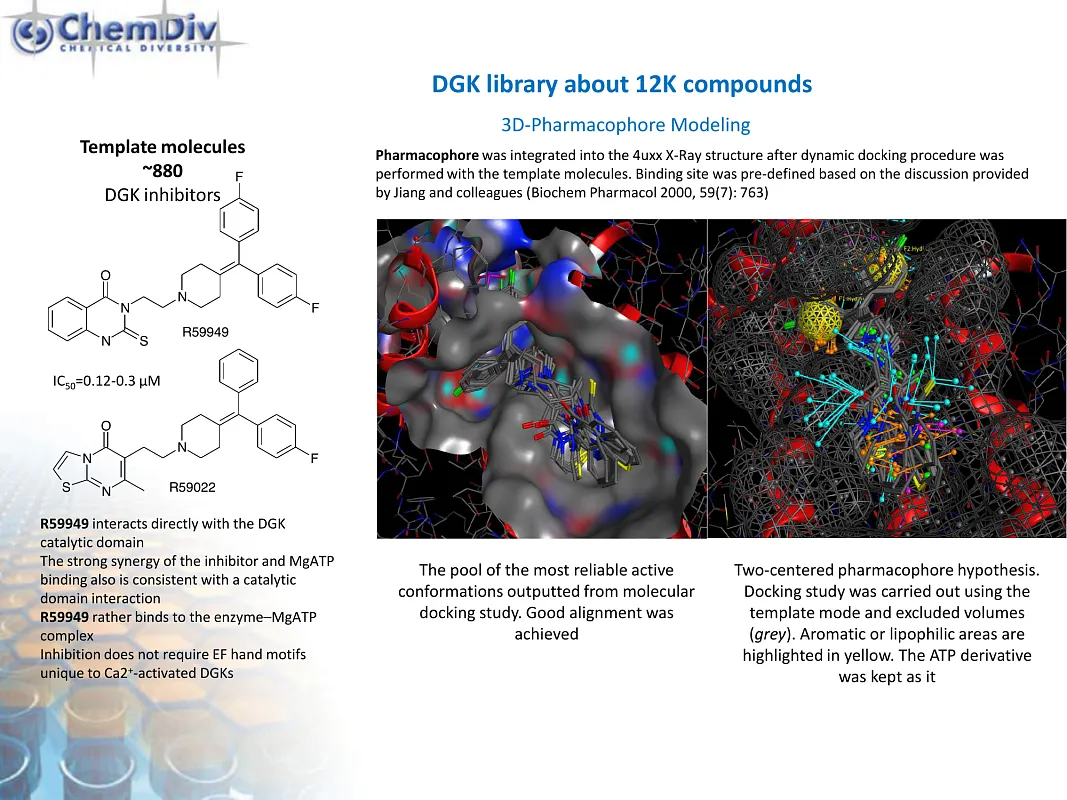
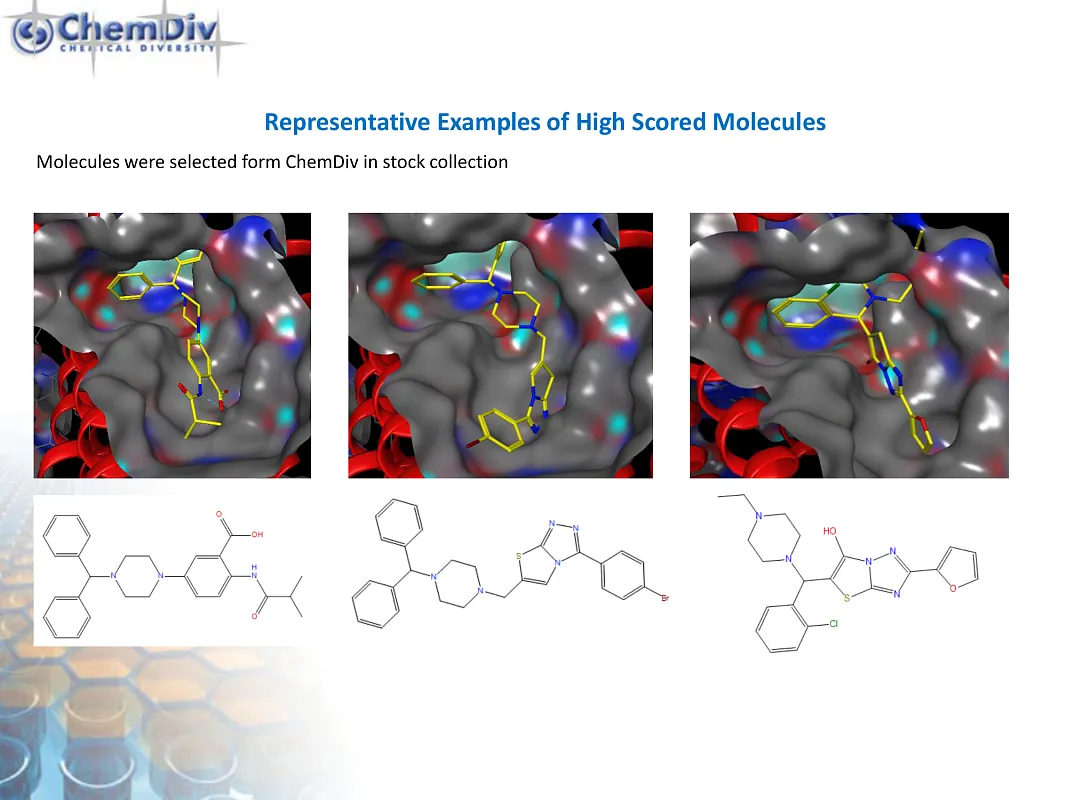
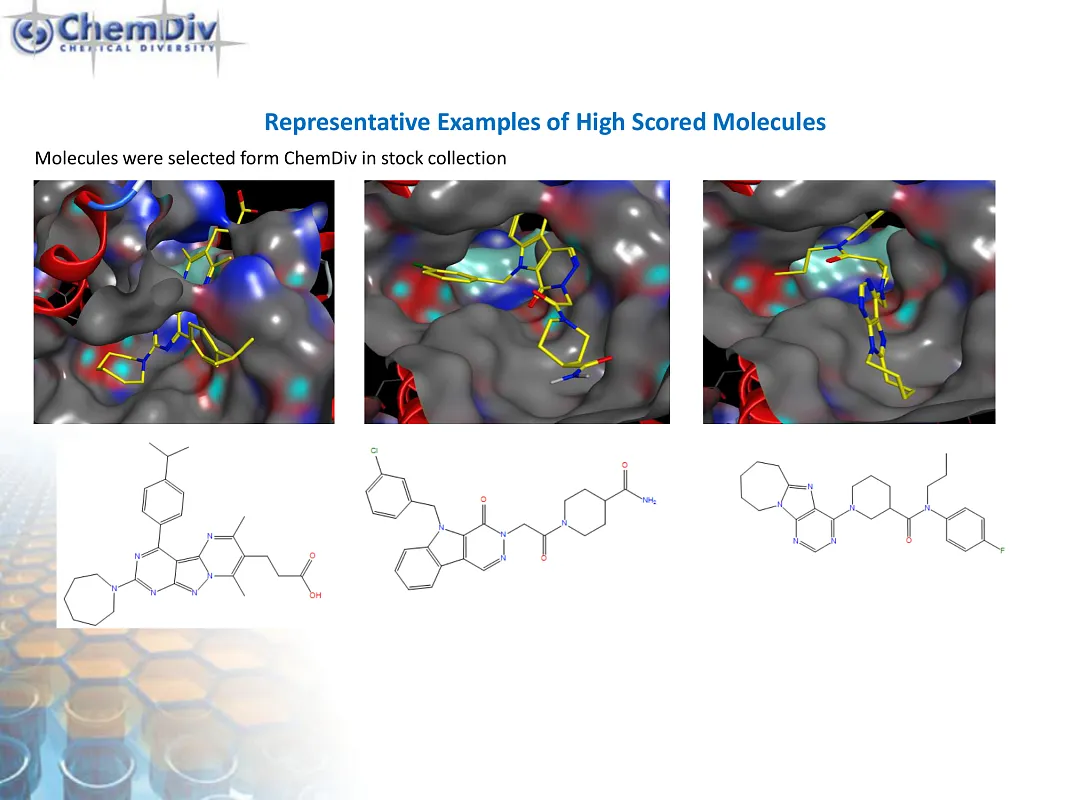
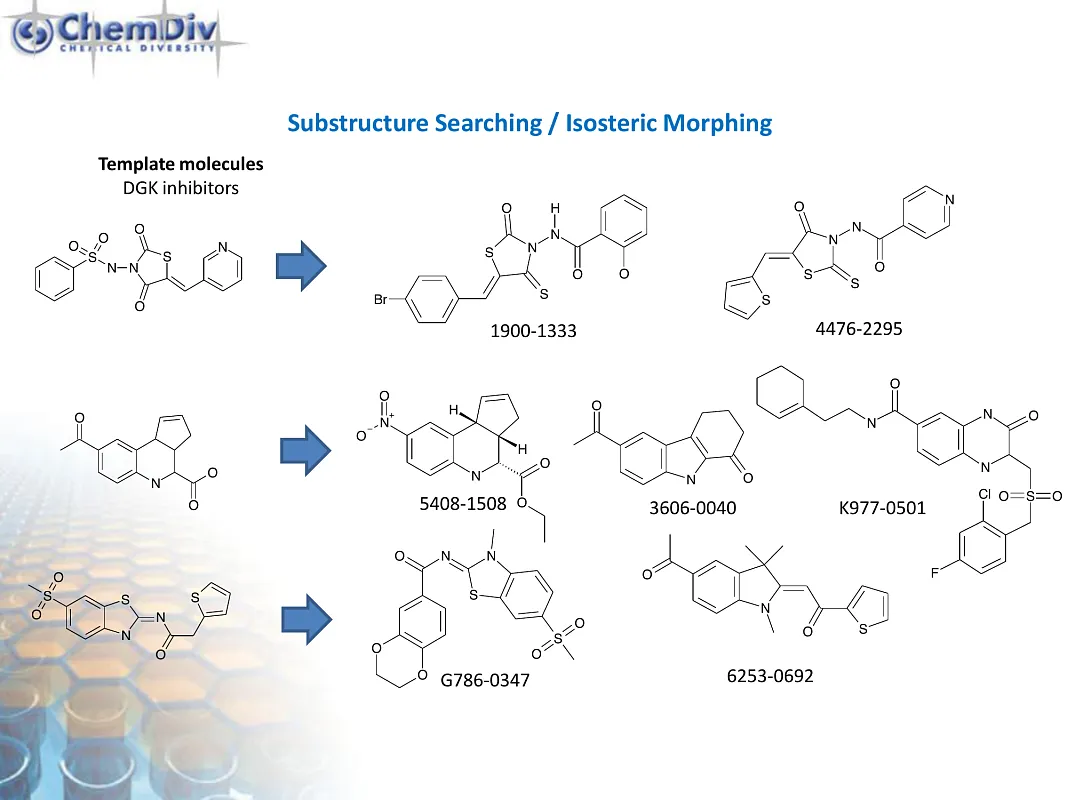
The Diacylglycerol Kinase Inhibitor Library comprises 12,000 structurally diverse compounds.
Diacylglycerol kinases (DGKs or DAGKs) are a family of enzymes that function by consuming ATP to convert diacylglycerol (DAG) into phosphatidic acid (PA). In unstimulated cells, DGK activity is low, allowing DAG to participate in glycerophospholipid biosynthesis. However, upon receptor activation in the phosphoinositide pathway, DGK activity increases, driving the conversion of DAG to PA. Since both DAG and PA are considered bioactive lipid signaling molecules with distinct cellular targets, DGKs play a crucial role in cell signaling by acting as regulatory switches that control the balance between diacylglycerol and phosphatidic acid. Both lipids are key bioactive lipids with different signaling functions.
DGK expression is significantly elevated in cancer cells, particularly in hepatocellular carcinoma and melanoma cells. In hepatocellular carcinoma, DGK is involved in cancer progression and acts as a positive regulator of cell proliferation through the Ras/Raf/MEK/ERK pathway. In melanoma cells, DGK positively regulates tumor necrosis factor-α-dependent nuclear factor-κB (p65) activation via protein kinase-mediated phosphorylation of the p65 protein at Ser311. Therefore, inhibiting DGK activity is expected to delay the progression of these cancers.
In cancer cells, DGK overexpression or hyperactivation leads to dysregulated signaling, promoting tumor growth and resistance to apoptosis. Thus, targeting DGK inhibition has become a promising therapeutic strategy. By blocking DGK action, these abnormal signaling pathways can be disrupted, potentially suppressing tumor progression, reducing cancer cell proliferation, and enhancing the efficacy of existing cancer therapies. This strategy highlights the importance of DGK as a target for developing novel tumor therapies, offering hope for more effective cancer treatment strategies.
A library of small-molecule compounds with DGK-inhibitory properties provides significant advantages for drug discovery, particularly in oncology. This library offers a diverse array of DGK inhibitors, serving as a critical resource for identifying and developing potential therapeutic agents capable of targeting and disrupting abnormal signaling pathways in cancer cells. The availability of these compounds accelerates the research and development process, enabling scientists to efficiently screen and evaluate multiple candidates for their efficacy and safety in inhibiting DGK activity. Moreover, the diversity of the compound library increases the likelihood of discovering compounds with optimal pharmacokinetic and pharmacodynamic properties, as well as molecules that may overcome resistance mechanisms. Therefore, our compound library is not only a tool for deepening the understanding of DGK's role in cancer but also a springboard for developing novel targeted cancer therapies.
All products from TargetMol are for Research Use Only. Not for Human or Veterinary or Therapeutic Use.
Cite scientific literature on TargetMol products
View More 产品描述
产品描述
 Packaging And Storage Library Customization
| Size | Quantity | Unit Price | Amount | Operation |
|---|
 Feedback
 Hello! How can I help you today?
Copyright © 2015-2026 TargetMol Chemicals Inc. All Rights Reserved.
 Supporting Files